
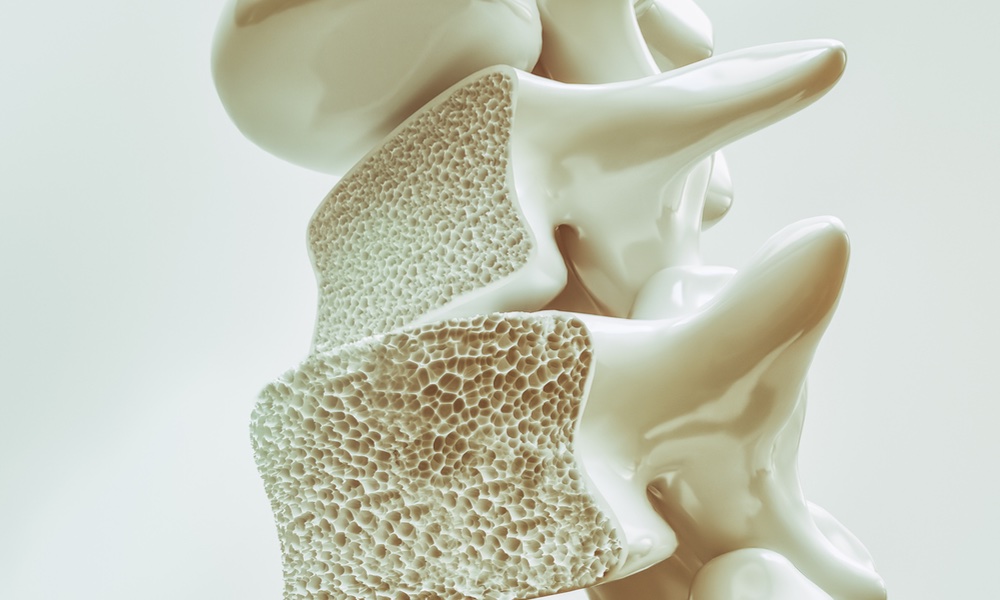


Rates of osteoporosis are likely going to continue to increase as the population ages. One study estimated that by 2030, osteoporosis will affect 263 million people worldwide, and 154 million of them will be women.
A bone mineral density (BMD) test is the most common way providers determine a woman's risk of osteoporosis. While many studies have focused on the association between BMD and negative outcomes such as falls or fractures due to osteoporosis, few have looked at the association between bone mineral density and the risk of all-cause mortality.
Having greater bone mineral density can significantly reduce mortality risk, a recent study by a team of Chinese researchers has found. “Osteoporosis often remains a silent threat after menopause, despite its profound effect on women's lives,” Monica Christmas, medical director of The Menopause Society, said in a statement. “It's time we bring this conversation to the forefront.”Lower estrogen levels accelerate bone resorption, while inhibiting the formation of new bone, particularly in the thigh.
The researchers reported that women whose bone density measurements came in at the threshold of osteoporosis, meaning a T-score -2.5 standard deviations lower than a reference group of healthy young adults, had significantly higher mortality risk. Mortality risk was also higher in those with fractures.
Osteoporosis was associated with a 47 percent greater risk of mortality even after adjusting for factors including race, education, physical activity level, body mass index, alcohol use and smoking status.
As bone mineral density went up, mortality risk went down. In fact, the researchers believe this finding suggests BMD could be used as a biomarker to predict overall health.Postmenopausal women under 65 who have one or more risk factors for osteoporosis, such as low body weight, parental history of hip fracture, cigarette smoking and excess alcohol consumption, should be screened sooner.
Estrogen levels decline during menopause and cause changes in the body, affecting cardiovascular and musculoskeletal systems as well as fat distribution. Lower estrogen levels accelerate bone resorption, while inhibiting the formation of new bone, particularly in the thigh.
You can combat this bone loss. A calcium-rich diet, weight-bearing exercise and, if it's appropriate, hormone therapy can all improve bone health and reduce the risk of osteoporosis and fractures, said Christmas, an associate professor of obstetrics and gynecology at the University of Chicago. These preventive steps can also lower the risk of cardiovascular disease, certain cancers and dementia.
The study is published in the journal, Menopause.