



If you're faithful to your daily walk or committed to your spin class, you're already doing something very right for your health. But new research suggests you might do even better by adding variety to your routine.
A new study has found that people who consistently engage in a range of different types of exercise, from walking and gardening to weightlifting and swimming, live longer than those who stick to just one or two activities. Even better, this benefit holds even when our total exercise time is the same.
These findings add a new dimension to what we already know about physical activity and longevity. It's not just how much you move. It's how many different ways you move.
To explore how exercise variety affects long-term health, researchers at the Harvard T.H. Chan School of Public Health analyzed data from more than 111,000 adult men and women who were followed for over 30 years. Participants were enrolled in two well-known, long-running studies: the Nurses' Health Study and the Health Professionals Follow-up Study.Consider adding variety to what you already do. For example, if you walk most days, try incorporating light resistance training a couple of times a week.
Beginning in 1986, participants regularly reported how much time they spent each week on a whole range of activities. These included walking, jogging, running, bicycling (including stationary biking), lap swimming, rowing, calisthenics, tennis, squash, racquetball, weightlifting, yoga, stretching, toning, gardening, yardwork, heavy outdoor labor, such as digging or chopping wood, and stair climbing.
The researchers developed scores reflecting both total physical activity and the variety of activities performed. They then tracked health outcomes, including deaths from heart disease, cancer, respiratory illness and other causes. At the same time, they adjusted for potential variables such as smoking, diet, body weight and other lifestyle factors.
The results are noteworthy. Study participants who engaged in the greatest variety of exercises had a 19 percent lower risk of premature death compared to those with the least variety. This association held true across all levels of total physical activity. In other words, even if two people exercised the same number of minutes per week, the one who mixed things up enjoyed a survival advantage.
The benefits extended beyond overall mortality. Higher exercise variety was linked to reduction in deaths from cardiovascular disease, cancer, respiratory disease and other causes with risk reductions ranging from 13 percent to 41 percent.
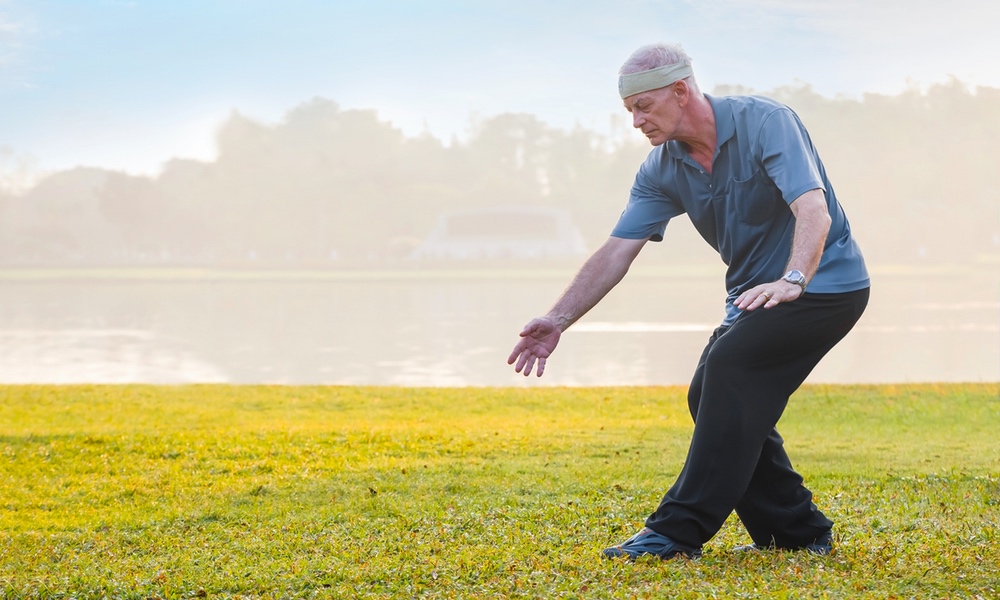
Why does varying the types of exercise you do make such a difference? Different activities challenge the body in different ways. For instance, aerobic exercise like walking or cycling strengthens the heart and lungs. Resistance training such as lifting weights preserves muscle mass and bone density. Balance-focused activities like tai chi and yoga help reduce the risk of falls. Outdoor work, for example, gardening, adds functional strength and flexibility. Together, these varied demands can contribute to a more broadly fit body.
“People naturally choose different activities over time based on their preferences and health conditions. When deciding how to exercise, keep in mind that there may be extra health benefits to engaging in multiple types of physical activity, rather than relying on a single type alone,” author Yang Hu, research scientist in the Department of Nutrition at Harvard T.H. Chan School of Public Health, said in a media release.
The researchers caution that their study relied on self-reported exercise data, which is not always accurate, and their subjects were mainly white health professionals which may limit how broadly the findings apply. Still, the large sample size and lengthy follow-up period strengthen confidence in the results.Different activities challenge the body in different ways. Aerobic exercise strengthens your heart and lungs; resistance training builds and preserves muscle mass and bone density; balance-focused activities like tai chi and yoga can reduce the risk of falls.
In the end, there's a practical takeaway. You don't need to become a marathon runner or spend hours at the gym. Instead, consider adding variety to what you already do. If you walk most days, try incorporating light resistance training a couple of times a week. Similarly, if you lift weights, add time swimming or bike riding. Take the stairs. Pull weeds. Stretch.
Exercise remains one of the most powerful tools we have for preventing chronic disease and for extending life. This new research suggests that a diversified routine — one that expands your body's strengths — may be an especially smart strategy for healthy aging.
The study is published in BMJ Medicine.