

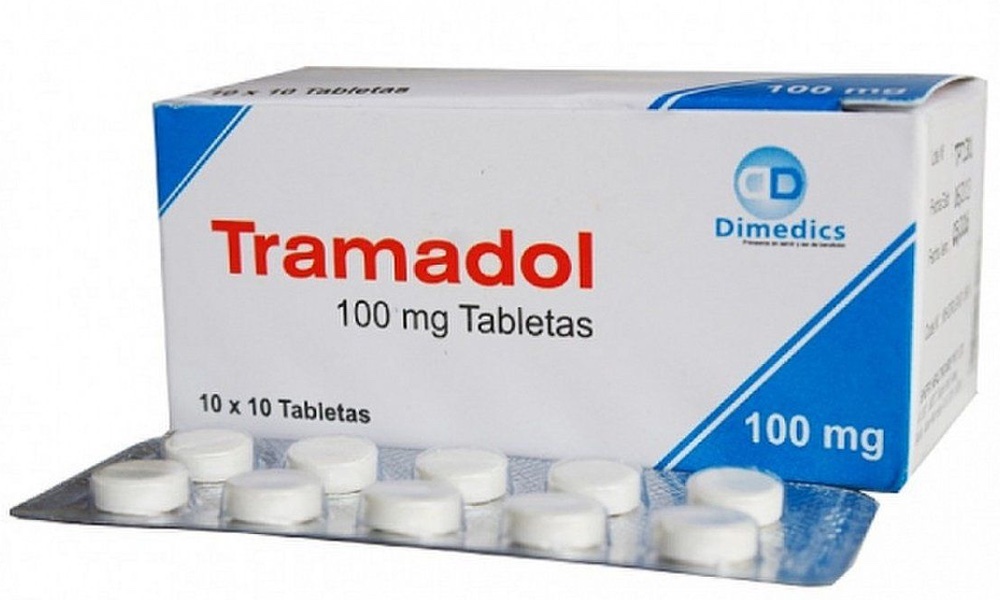


For years, tramadol has occupied a reassuring middle ground in pain medicine. Stronger than over-the-counter remedies, but widely perceived as gentler and safer than other opioids, it has become a go-to prescription for millions living with chronic pain. But a major new analysis suggests that its comforting reputation may be misplaced.
In a comprehensive review, Danish researchers reported that tramadol provides only minimal pain relief for chronic conditions. In fact, the relief is so modest that many patients would be unlikely to notice a meaningful difference in daily life. At the same time, the drug appears to significantly increase the risk of serious health problems, particularly heart-related complications.
The findings come from a large systematic review and meta-analysis led by Jehad Ahmad Barakji, MD, of the Centre for Clinical Intervention Research at Rigshospitalet in Copenhagen, Denmark, and his colleagues. Their goal was to take a clearer, more comprehensive look at both the benefits and risks of tramadol across a broad range of chronic pain conditions, something earlier reviews had not fully addressed.Tramadol may dull pain a little, but the growing evidence suggests that the risks may far outweigh that small relief.
In total, 19 clinical trials involving over 6,500 participants met the criteria for inclusion. Five studies focused on neuropathic pain, nine examined osteoarthritis, four looked at chronic low back pain and one studied fibromyalgia. Participants ages ranged from 47 to 69. Most trials tested tramadol tablets; only one evaluated a topical cream. Treatment periods lasted between two and 16 weeks, with follow-up ranging from three to 15 weeks.
When the results were pooled and analyzed, the payoff was underwhelming. Tramadol did reduce pain compared with the placebo, but only slightly. Importantly, the degree of pain relief fell below thresholds typically considered clinically meaningful. In practical terms, that means many patients may not feel enough improvement to justify staying on the drug.
The safety findings were more concerning. Eight of the trials tracked serious adverse events during follow-up periods of seven to 16 weeks. Compared with the placebo, tramadol was associated with about double the risk of serious harm. This increase was largely driven by a higher rate of cardiac events, including chest pain, coronary artery disease and congestive heart failure.
The analysis also found an association between tramadol use and certain cancers, although the researchers caution that the short follow-up period makes this result “questionable.” More consistently, tramadol was linked to a greater risk of common side effects such as nausea, dizziness, constipation and sleepiness.
The researchers concluded: “The potential harms associated with tramadol use for pain management likely outweigh its limited benefits.”
Placing their findings in a larger worldwide context, the team emphasized that approximately 60 million people globally experience opioid addiction, and that in 2019 alone, drug use contributed to roughly 600,000 deaths, most involving opioids. In the United States, opioid-related overdose deaths climbed from nearly 50,000 in 2019 to over 81,800 in 2022.The safety findings were more concerning. Compared with the placebo, tramadol was associated with about double the risk of serious harm.
Given these trends, and the modest benefits seen here, the research team argues that tramadol should not be viewed as a safer fallback option. Instead, they recommend that its use, like that of other opioids, be kept to a minimum whenever possible.
The study is published in BMJ Evidence-Based Medicine.