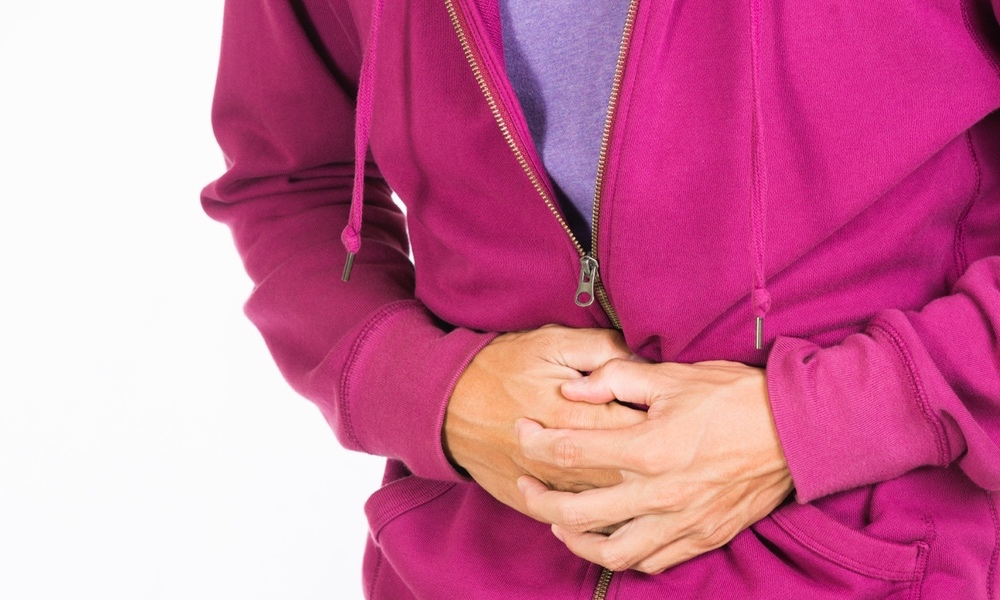




More people are surviving cancer than ever before, but the effects of treatment can be hard on the body. A constellation of long-term side effects like persistent fatigue, chronic pain and fitful sleep casts a long shadow over recovering cancer patients' daily life.
Gentle, accessible, mind-body interventions can offer profound relief, according to a ground-breaking study titled MATCH — for Mindfulness and Tai Chi for Cancer Health — that brings hopeful news for cancer survivors.
The MATCH research offers a compelling look at how ancient and modern mindfulness practices can help individuals reclaim their physical and emotional wellbeing after cancer.
The study was a collaborative effort, bringing together researchers from the University of Calgary and the University of Toronto in Canada, and Massachusetts General Brigham Hospital, to investigate over 500 cancer survivors. The patients represented a diverse group, living with varying types and stages of cancer. But they all shared a common challenge: navigating the stressful and often debilitating aftermath of cancer treatment.Patients in either the MBCR mindfulness or Tai Chi Qigong programs experienced substantially less pain, reduced fatigue and fewer sleep problems compared to those on the wait list.
The study evaluated two gentle, supportive interventions:
- Mindfulness-Based Cancer Recovery (MBCR): A nine-week program that involves meditation practices, breathing techniques and gentle stretching. It also includes group discussions and focuses on nurturing specific mindsets, like acceptance and compassion, to help patients navigate illness and treatment.
- Tai Chi and Qigong (TCQ): an 11-week program rooted in ancient Chinese mind-body practices. TCQ integrates slow, gentle flowing movements with a heightened attention to physical body sensations and breathing, which helps patients gain better control over their thoughts and emotional states.
Interestingly, when looking closer at how pain changed, researchers noted minimal effects on the raw physical intensity of pain. Instead, the psychological aspect of how much pain interfered with daily activities significantly improved over time. Furthermore, the data revealed a powerful ripple effect.
Symptoms like pain, sleep disturbances and fatigue tend to cluster together. The researchers discovered that when one symptom improved, the other two typically improved along with it.
The true power of this research lies in its validation of the idea that symptoms can have a domino effect and fixing one aspect of post-treatment misery helps resolve the others.Symptoms like pain, sleep disturbances and fatigue tend to cluster together. When one symptom improved, the other two typically improved along with it.
This whole-person philosophy opens a promising door for survivors seeking to reclaim authority over their bodies and minds. By embracing a whole-person approach, the MATCH study proves that going beyond conventional medicine to treat the mind and spirit can unlock vital pathways to true physical recovery.
The study is published in the Journal of Clinical Oncology.