


High blood pressure, or hypertension, is generally defined as a systolic blood pressure of 130 to 140 mm Hg or higher and a diastolic blood pressure of 80 to 90 mm Hg or higher.
A third of people between the ages of 30 and 79 years old worldwide have high blood pressure.
That's a big potential health problem. Hypertension is a leading risk factor for stroke, heart disease and premature death. It may also raise a person's chances of developing dementia.
Guidelines from the National Institute of Health and Care Excellence in the United Kingdom recommend that multiple blood pressure readings be taken to confirm a hypertension diagnosis and lifestyle modifications such as increasing exercise and losing weight should be tried before treatment with medication is prescribed.Hypertension was almost twice as common in men compared to women. Rates of hypertension also increased with higher body mass index.
Despite these guidelines, estimates of hypertension awareness, treatment and control in the United Kingdom have not improved in decades, and many cases of hypertension are still going undetected and untreated.
When researchers from the University of Oxford and Harvard University's T.H. Chan School of Public Health analyzed the blood pressure measurements of more than one million adults 18 older, they found that about 60 of percent had undetected hypertension.
“While hypertension is largely a ‘silent killer', the current approach to detecting and treating high blood pressure is not fit for purpose,” Wenyu Liu, lead author of the study and a medical statistician at Oxford Population Health, said in a statement.
Controlled hypertension in those taking antihypertensive medication was defined as a systolic blood pressure lower than 140 mm Hg and a diastolic blood pressure lower than 90 mm Hg. The researchers found, however, that half of those taking antihypertensive medication still had an elevated blood pressure of 140 mm Hg / 90 mm Hg or higher.
Hypertension was almost twice as common in men compared to women: 45 percent of men had hypertension versus 29 percent of women. More than 35 percent of participants had hypertension, ranging from 15 percent of those between the ages of 18 and 35 to 71 percent of those 80 years old or older. Rates of hypertension also increased with higher body mass index.
Although the higher rates of hypertension in men and increasing rates of hypertension with age and body mass index were not surprising, the researchers said, “The prevalence of hypertension was substantial across all demographic groups.”
A more proactive approach to detecting and treating hypertension is needed, Iain Turnbull, a coauthor on the study and a clinical research fellow at Oxford Population Health and a general practice physician, said in a statement. He recommends that patients and providers consider starting treatment based on the predicted risk of cardiovascular disease and blood pressure readings.Half of those taking antihypertensive medication still had an elevated blood pressure of 140 mm Hg / 90 mm Hg or higher.
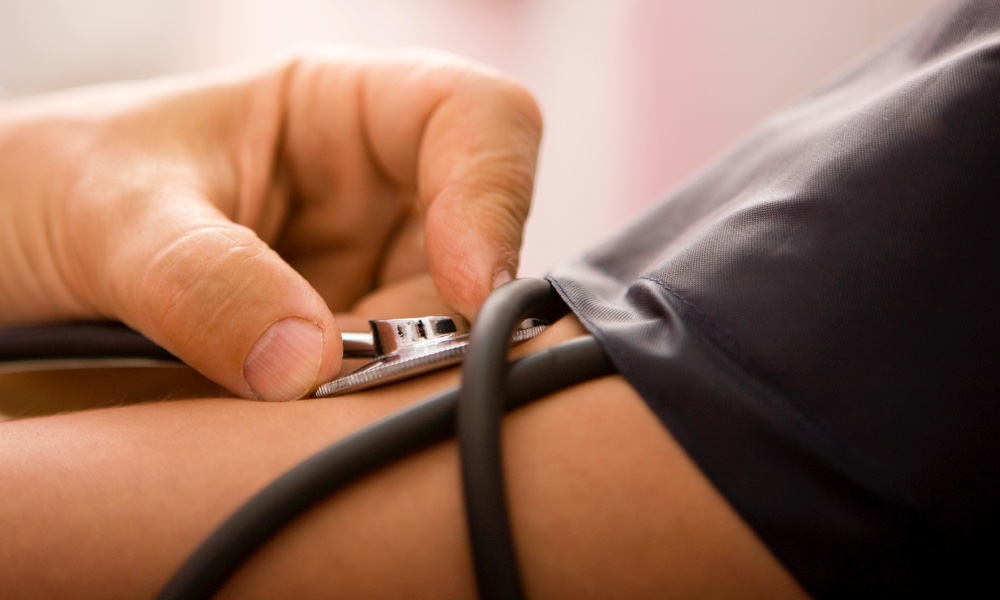
If you are concerned about your risk of hypertension, you can easily take an accurate blood pressure reading at home or at your local drugstore. Just be sure to follow these tips from the American Heart Association:
- Sit upright with your back supported.
- Your forearm should rest on a flat surface or table at heart level.
- Use an electronic or battery-operated device.
- Keep your feet flat on the floor.
- Don't talk.
- Don't cross your legs.
- Place the cuff over your bare arm.
The study was published in BMJ Public Health.