


A sore, bleeding mouth may seem like a dental problem. But new research suggests that chronic gum disease could have consequences well beyond the teeth, affecting your microbiome and, ultimately, your bones.
Scientists have found evidence that inflammation from periodontitis can alter the gut microbiome and, in turn, worsen osteoporosis, elsewhere in the body.
The study was conducted by a multidisciplinary team of researchers from Nanjing University in China and Griffith University in Australia. Researchers used mice who had had their ovaries removed, a common way to study bone loss associated with the decline in estrogen after menopause.Periodontitis was associated with changes in the composition of gut bacteria. Mice with this bacteria subsequently showed greater bone loss and inflammation.
They found mice with both periodontal disease and osteoporosis developed more extensive bone loss than mice with osteoporosis-like bone loss alone.
The damage was not confined to the jaw. The animals also showed greater loss of bone in their femur, along with changes in the intestinal barrier and increased systemic inflammation.
This is important because the gut microbiome is not merely a collection of bacteria. Its products can influence immune activity, nutrient handling and signaling throughout the body. Here, those changes appeared to coincide with processes involved in bone formation and resorption, giving researchers a plausible route from periodontal inflammation to skeletal effects overall.Mice with both periodontal disease and osteoporosis developed more extensive bone loss than mice with osteoporosis-like bone loss alone.
The researchers then looked more closely at the gut microbiome. Periodontitis was associated with changes in the composition of gut bacteria and in metabolic activity in the intestine.
To test whether those microbial changes actually mattered, the researchers transferred fecal microbiota from mice with periodontitis into other mice. The recipients subsequently showed greater bone loss and inflammation. By contrast, microbiota from mice whose periodontal disease had been treated partially reduced those effects.
These findings are relevant because it moves the research beyond simply showing that gum disease and osteoporosis occur together. It suggests a chain reaction along this biological pathway:
- Inflammation in the mouth may influence the gut
- Changes in gut microbes affect inflammatory and metabolic processes
- Those changes may contribute to accelerated breakdown of the bones
These findings fit with growing interest in the “oral-gut-bone axis.” It's the idea that microorganisms and inflammatory signals in one part of the body can influence tissues elsewhere. Bone is constantly being remodeled, with cells called osteoclasts breaking down old bone and osteoblasts helping build new bone. Chronic inflammation can disrupt that balance, potentially tipping it toward bone loss.
Still, this study does not prove that treating gum disease will prevent osteoporosis or fractures in people. Mice are not people, and the experimental conditions cannot reproduce the full complexity of human aging, diet, medications and disease. Clinical studies will be needed to determine whether the same pathway operates in people with osteoporosis.Good oral care cannot replace proven osteoporosis treatments, but keeping gum disease under control may turn out to be one more piece of protecting skeletal health.
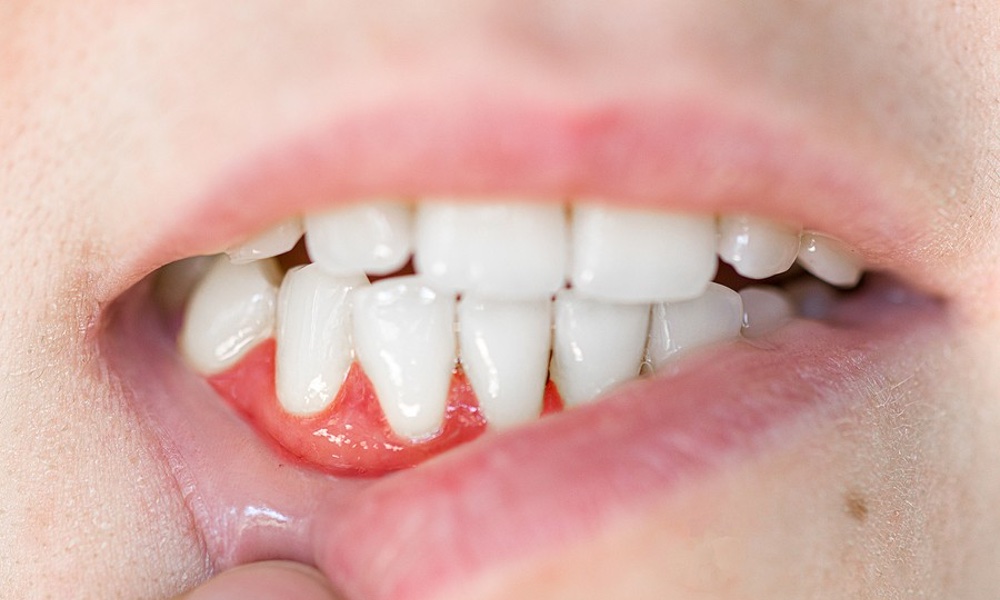
For now, however, the research adds another reason to take persistent gum inflammation seriously. Bleeding gums, swollen or tender gums, persistent bad breath or loose teeth can be signs of periodontitis and deserve a dental evaluation. Good oral care cannot replace proven osteoporosis treatments, but keeping gum disease under control may turn out to be one more piece of protecting skeletal health.
The study is published in npj Biofilms and Microbiomes.