
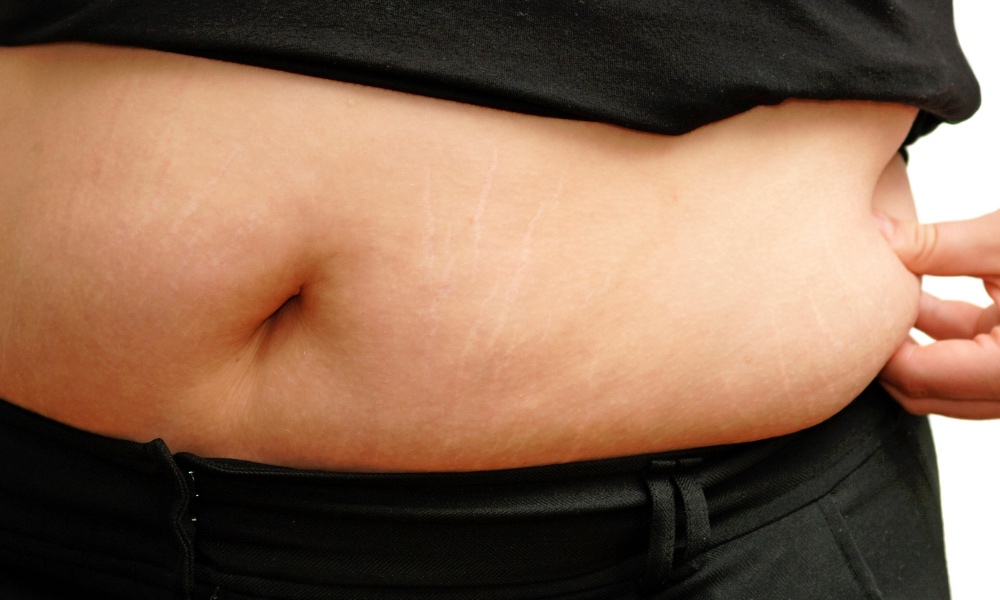


For many women, menopause brings unwelcome and stubborn weight gain — even when eating and exercise habits haven't changed very much.
What women eat as they transition to menopause may make a meaningful difference, not only for weight control, but also for long-term metabolic health, a major new study suggests.
Researchers from the Harvard T.H. Chan School of Public Health found that women who followed healthier, plant-forward dietary patterns gained less weight and had a lower risk of obesity during menopause than women whose diets relied more heavily on processed foods, red meat and refined carbohydrates.
The study analyzed dietary and health data from more than 38,000 women participating in the long-running Nurses' Health Study II. The women, whose average age was about 45 at the start of the research, were followed over a 12-year period that included the years before and after menopause.Diets that spike insulin levels such as those heavy in ultra-processed foods, salty snacks, processed meats and fried potatoes were linked to greater weight gain and a higher risk of obesity.
A team at Harvard T.H. Chan School of Public Health and colleagues led by Tong Xia, ScD, a postdoctoral research fellow in the Department of Epidemiology, examined how closely participants followed a variety of eating patterns, including the Mediterranean diet, the DASH diet plant-based diets and something called the Planetary Health Diet.
The Planetary Health Diet emerged as the standout. This eating pattern emphasizes eating minimally processed plant foods such as vegetables, fruits, legumes, nuts and whole grains, while limiting red and processed meats, fried foods and refined carbohydrates. Researchers found that women who adhere most closely to this diet had the lowest risk of obesity and the least weight gain during menopause.
The study also highlighted another important factor: Women whose diets were less likely to trigger spikes in insulin levels tended to gain less weight.
In contrast, diets more likely to spike insulin levels, such as those heavy in ultra-processed foods, salty snacks, processed meats and fried potatoes, were linked to greater weight gain and a higher risk of obesity.
That finding matters because menopause already brings hormonal changes that can alter the way the body stores fat and regulates appetite. Declining estrogen levels are associated with increased abdominal fat accumulation and slower metabolism, making it easier to gain weight and harder to lose it.Declining estrogen levels lead to a slower metabolism and increased abdominal fat accumulation, making it easier to gain weight and harder to lose it.
The researchers noted that not all low-carbohydrate diets were equally beneficial. Diets built around healthier fats and plant proteins appeared protective, while diets high in animal fats and processed meats were associated with worse outcomes.
Importantly, the study did not suggest that women need to become strict vegetarians or overhaul their diets overnight. Instead, the findings point toward a broader pattern of eating that favors whole foods over heavily processed ones. Even modest shifts may help. Swapping beans or lentils for meat a few nights a week, choosing nuts instead of chips for snacks, or replacing pastries with oatmeal at breakfast could all move women toward a more menopause-friendly way of eating.
The study had a few limitations. For example, diet and weight information were self-reported, and the researchers did not have detailed data on body composition, hormone levels or menopausal symptoms. In addition, most participants were white women, so the findings may not apply equally across all racial and ethnic groups.
Still, the research adds to growing evidence that menopause is not simply something women must “endure.” Lifestyle choices, including diet, may help ease some of the transition's most frustrating changes.Swapping beans or lentils for meat a few nights a week, choosing nuts instead of chips for snacks or replacing pastries with oatmeal at breakfast could all move women toward a more menopause-friendly way of eating.
For women wondering where to begin, the message from researchers is reassuringly simple: eat more plant proteins, fewer ultra-processed foods and think long-term rather than opting for quick fixes or perfection. Women don't need punishing diets during menopause, just healthier patterns that support the body through a time of major change.
The study is published in JAMA Network Open.