



Eat more! Lose weight! This may sound like a marketing come-on, but a recent British study finds that you really can eat more and still consume fewer calories. What you eat — no surprise — is what makes the difference. People who eat more unprocessed food consume more food by weight, but fewer calories, the researchers found.
The University of Bristol study took a look at the flip side of the findings of an earlier investigation by researchers at the National Institutes of Health in the U.S. It found eating ultra-processed foods exclusively resulted in excessive calorie consumption and weight gain.
People in the study who followed a completely unprocessed diet ate 50 percent more food by weight than those eating ultra-processed food, yet on average they consumed 330 fewer calories from food daily.
People in that earlier NIH study were admitted to the NIH Clinical Center and randomly selected to receive either an ultra-processed or unprocessed diet for two weeks immediately followed by the alternate diet for two weeks. Meals were designed to be matched for presented calories, energy density, macronutrients, sugar, sodium and fiber. Subjects were instructed to consume as much or as little as they desired of both diets.Ultra-processed foods often meet micronutrient requirements, but they do this largely by adding vitamins during processing.
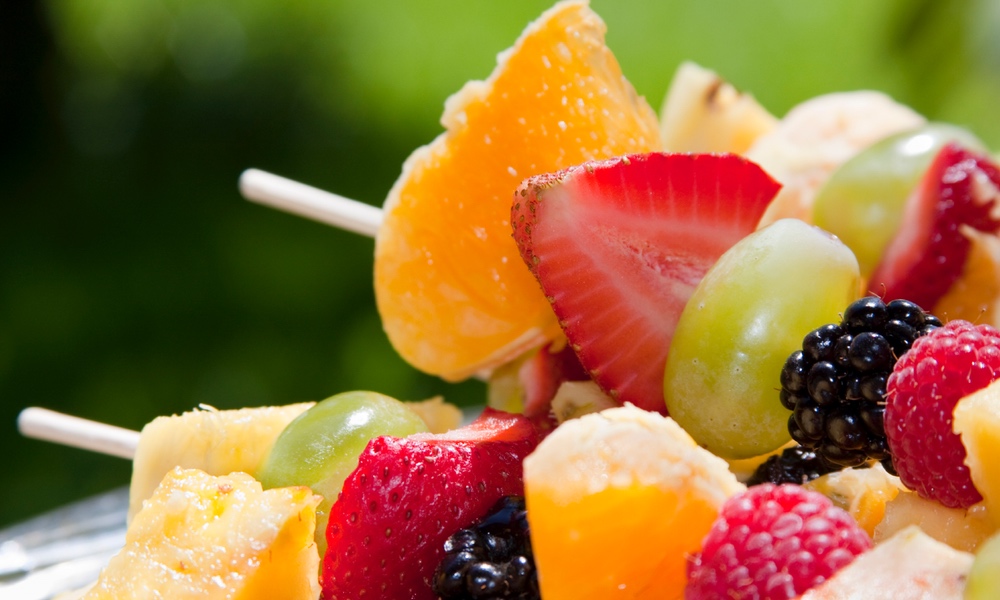
When they were told to eat only whole, unprocessed foods, participants ate much greater quantities — 57 percent more measured by weight of food — while still maintaining a significantly lower overall calorie intake, the British study showed. They tended to choose to load up on fruit and veggies, sometimes consuming several hundreds of grams per meal, instead of more calorie-dense options like steak, pasta and cream.
This shift is evidence of what the authors call “nutritional intelligence.” “It's exciting to see when people are offered unprocessed options they intuitively select foods that balance enjoyment, nutrition, and a sense of fullness, while still reducing overall energy intake,” lead author, Jeff Brunstrom, Professor of Experimental Psychology at the University of Bristol, said. “Our dietary choices aren't random — in fact we seem to make much smarter decisions than previously assumed, when foods are presented in their natural state.”
It's not just quantity, but also nutritional quality that rises when a person opts for an unprocessed diet. “Had participants eaten only the calorie-rich foods, our findings showed they would have fallen short on several essential vitamins and minerals and eventually developed micronutrient insufficiencies. Those micronutrient gaps were filled by lower calorie fruits and vegetables,” Mark Schatzker, one of the study's co-authors, said.
Ultra-processed foods often meet micronutrient requirements, but they do this largely by adding vitamins as part of their processing. For example, the foods highest in vitamin A in the British study were calorie-rich French toast sticks and pancakes. The majority of vitamin A in the unprocessed diet, by contrast, came was from carrots and spinach, which are much lower in calories.“Our dietary choices aren't random — in fact we seem to make much smarter decisions than previously assumed, when foods are presented in their natural state.”
“Overeating is not necessarily the core problem,” Brunstrom explained. “Indeed, our research clearly demonstrated consumers on a wholefood diet actually ate far more than those on a processed food one. But the nutritional make-up of food is influencing choices, and it seems that UPFs are nudging people towards higher calorie options, which even in much lower quantities are likely to result in excess energy intake and in turn fuel obesity.”
The good news is that the results suggest cutting back on processed foods is likely to encourage you to eat more unprocessed food and potentially reduce your intake of calories, a win-win.
The study is published in The American Journal of Clinical Nutrition.