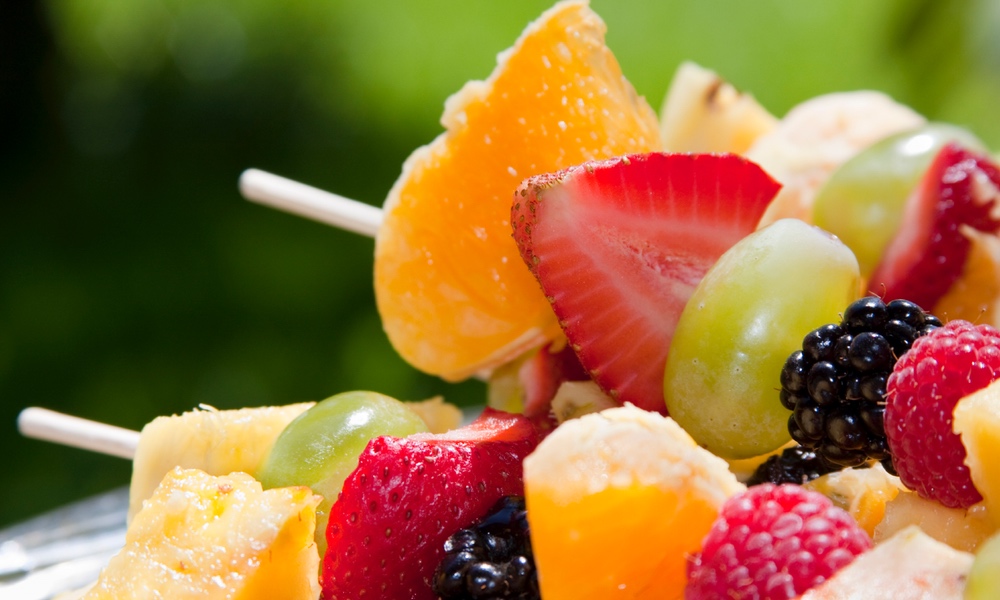



For many of us, sipping morning coffee, snacking on nuts or sprinkling berries into our oatmeal feel like simple dietary pleasures. But new research suggests these everyday food choices are doing more than just satisfying our taste buds, they're supporting long-term heart health.
Polyphenols are naturally occurring compounds found in plant foods. They're known for their antioxidant and anti-inflammatory effects. Researchers have long theorized their benefits to our cardiovascular system, and this study offers biological confirmation of that idea.
A decade-long study published recently in BMC Medicine reports that people who regularly consume polyphenol-rich foods, such as tea, coffee, berries, olive oil, cocoa, nuts and whole grains, tend to maintain healthier cholesterol and blood pressure profiles, which over time translates into a lower predicted risk of cardiovascular disease (CVD).Among participants with higher polyphenol intakes, healthier cardiovascular risk scores were more likely.
The investigators evaluated the twins' dietary habits over an 11-year span, measuring heart-related biomarkers, including blood pressure, lipid levels and widely-used cardiovascular risk scores.
The findings pointed consistently in the same direction. Participants who consumed more polyphenol-rich foods fared better in their projected heart health outcomes than those who ate fewer of them.
For the first time, scientists analyzed urinary metabolites, the substances produced as the body breaks down polyphenol. The team did this to confirm actual intake rather than relying on dietary recall alone. Participants with higher levels of these metabolites, especially those derived from flavonoids and phenolic acids, had lower cardiovascular risk scores and heathier cholesterol levels. It also increased HDL or high-density lipoproteins, the so-called “good cholesterol.”
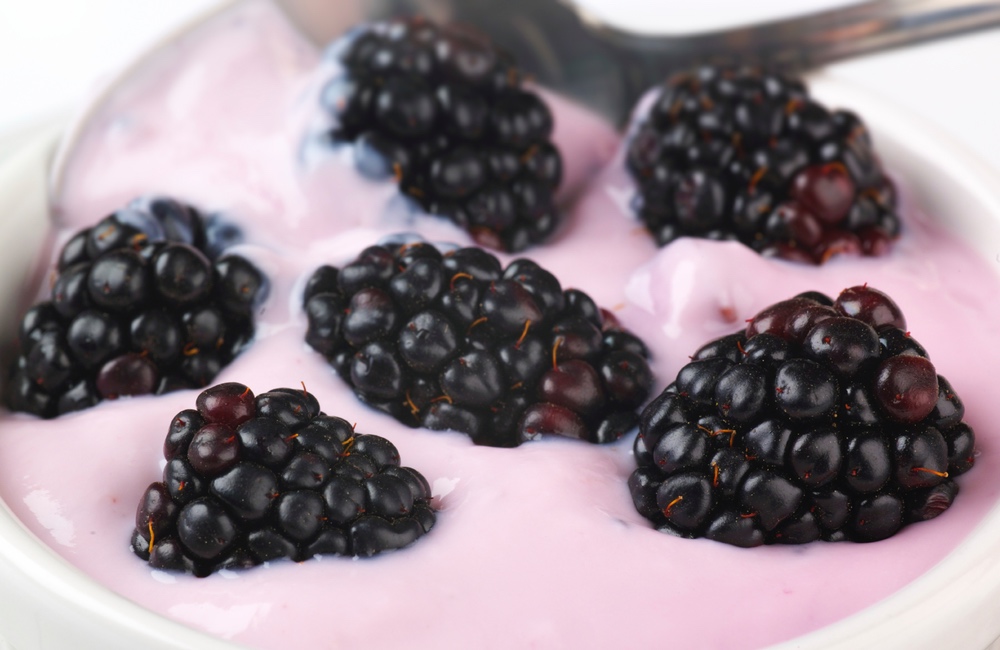
In fact, data from urine samples strongly matched dietary evaluations. The team used a newly-developed Polyphenol Dietary Score (PPS-D) that tracked consumption of 20 polyphenol-rich foods commonly eaten in the United Kingdom which provided a clearer picture of overall dietary patterns than measuring total polyphenol content alone. That's because foods high in polyphenols are often eaten together. For instance, tea with whole-grain toast, berries with yogurt, nuts with salads.
While the study was observational, meaning it demonstrated associations rather than a direct cause-effect relationship, the researchers note that cardiovascular risk naturally increases with age. But among participants with higher polyphenol intake, the risk was slower and healthier scores were more likely. Perhaps more Importantly, the benefits showed up even without dramatic dietary change.People who regularly consume polyphenol-rich foods, such as tea, coffee, berries, olive oil, cocoa, nuts and whole grains, tend to maintain healthier cholesterol and blood pressure profiles.
For consumers, that means incorporating polyphenols in our diets won't require radical shifts. A handful of nuts, a cup of tea or a slice of whole-grain bread all count. And because metabolism is measurable, future studies may track these biomarker patterns to refine dietary recommendations even further.
Meanwhile, researchers are calling for additional intervention-based clinical trials to confirm the long-term effect. For now, the data strongly reinforce current dietary wisdom: plant-based foods matter, and the right combinations may protect our hearts over decades.