

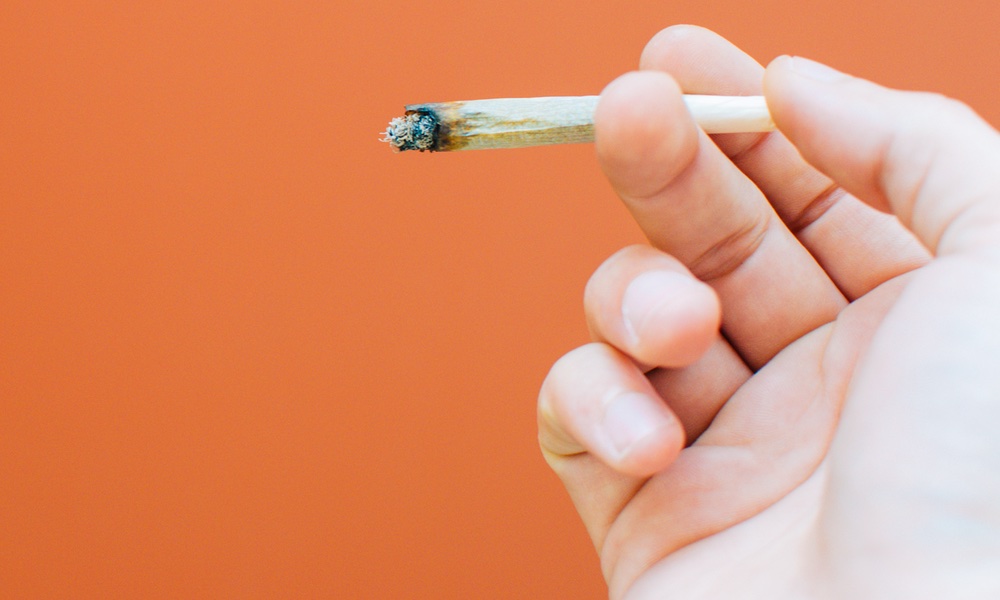


Many adults and teenagers view marijuana as relatively harmless now that it has become legal in many states and increasingly accepted by society,. But that assumption deserves a second look, particularly when it comes to teens. Adolescents who reported using cannabis were significantly more likely to later be diagnosed with a range of psychiatric disorders, particularly psychotic and bipolar disorders, researchers have found.
Over 460,000 teens between the ages of 13 and 17 who received care through Kaiser Permanente Northern California were followed from 2016 through 2023 until they reached age 25 or the end of the study period.
Unlike many earlier studies that focused primarily on heavy marijuana users, this one examined any self-reported cannabis use during the previous year. The information came from confidential screening questionnaires completed before routine well-child visits.The high-potency cannabis products available today may interfere with the developing brain's cannabinoid system, which plays an important role in emotion, motivation and thinking.
Of the nearly half-million teens studied, 5.7 percent reported using cannabis during the previous year. On average, that cannabis use was reported 1.7 to 2.3 years before a psychiatric diagnosis was made.
The findings were concerning. Adolescents who reported cannabis use were more than twice as likely to later develop a psychotic disorder and about twice as likely to receive a diagnosis of bipolar disorder. They were also 34 percent more likely to develop depression and 24 percent more likely to be diagnosed with anxiety disorder.
Even after researchers accounted for previous mental health conditions and the use of alcohol or other drugs, the association remained significant, although somewhat weaker. The link between cannabis use and depression or anxiety diminished as participants entered their twenties, but the elevated risk for psychotic and bipolar disorders persisted into young adulthood.
The research team adjusted for a number of factors that might influence mental health, including sex, race and ethnicity, neighborhood socioeconomic status and insurance type. The study included a racially and ethnically diverse population, making the findings more representative of today's adolescents than many previous investigations.
Still, the timing was noteworthy. “We designed the study to follow adolescents into young adulthood so we could better understand the timing of cannabis use relative to the onset of mental health disorders,” Young-Wolff said in a press release.
“Our findings show that adolescents who report cannabis use have a significantly higher risk of developing multiple psychiatric disorders, particularly psychotic and bipolar disorders. These results add to growing evidence that adolescence may be a particularly vulnerable period for cannabis-related harms.”
The authors point out that today's cannabis products are far different from those available decades ago. Many contain substantially higher concentrations of tetrahydrocannabinol (THC), the psychoactive ingredient in marijuana. High-potency products may interfere with the developing brain's cannabinoid system, which plays an important role in emotion, motivation and thinking.Families and healthcare providers should have honest, evidence-based conversations with teens regarding the risks of using cannabis when the brain is still developing and may be especially vulnerable.
The study is published in JAMA Health Forum.