


High blood pressure, or hypertension, used to be considered an ailment of older adults. Today, it's being diagnosed earlier in life, with providers seeing it more often in children, teens and young adults. High blood pressure in the young paves the way for serious health outcomes like a heart attack or stroke as they age.
“The higher rate of early diagnoses highlights the importance of early detection and prevention,” Vasanti Malik, senior author on a new study, told TheDoctor. One of the culprits, Malik, an associate professor of nutritional sciences at the University of Toronto, and an international team of researchers found, is long-term consumption of sugar-sweetened beverages and fruit juices, which appears to increase a person's risk of hypertension.
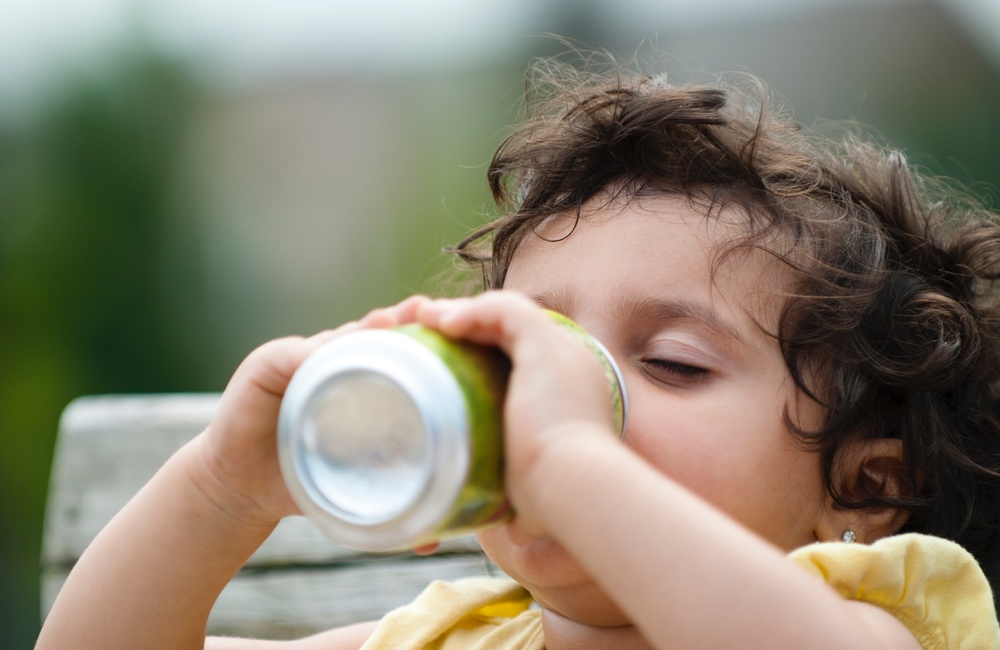
Responses to food frequency questionnaires from almost 26,000 participants between ages nine and 16 enrolled in the Growing Up Today Study (GUTS) were included in the study. Participants filled out these questionnaires every one to four years and were followed for up to 25 years.Kids who said they drank two or more servings of sugar-sweetened beverages a day had an over 50 percent greater risk of hypertension than those who reported drinking less than three servings a week.
“Skip the sports drinks,” Malik said. The best way for kids and teens to stay hydrated is to drink water.
Fruit juices weren't much better. One eight-ounce glass of apple juice, orange juice and other 100 percent fruit drinks was considered a serving. Kids who said they drank one-and-a-half servings or more of fruit juice a day had a 35 percent higher risk of hypertension than those who drank one serving a week.A child's overall diet quality and physical activity levels did not improve the concerning association between sugar-sweetened beverages/fruit juices and hypertension risk.
Each daily serving of orange juice was associated with a 20 percent higher risk of hypertension, although other fruit juices did not increase hypertension risk. Orange-flavored drinks with added sugar, however, may have been misreported by participants as orange juice when they filled out their questionnaire.
Substituting one serving of whole fruit like apples, oranges, bananas, mangoes, grapes, pears, melons, peaches and strawberries for one serving of a sugar-sweetened beverage was expected to offer a 22 percent lower risk of hypertension. Substituting whole fruit for fruit juice was associated with a 19 percent lower risk.
Substituting whole, skim or low-fat milk or water for sugar-sweetened beverages reduced the risk of hypertension by up to 13 percent. Substituting fruit juice for milk or water had no effect on hypertension risk. Other factors such as diet quality and physical activity levels did not improve the worrisome association between sugar-sweetened beverages/fruit juices and hypertension risk.Try diluting 100 percent juice with water or sparkling water for a treat.
In 2019, several health organizations, including the American Academy of Pediatrics and the American Heart Association, came out with a set of guidelines called Healthy Drinks, Healthy Kids that outlines what kids should and should not drink.
The study is published in Circulation.