

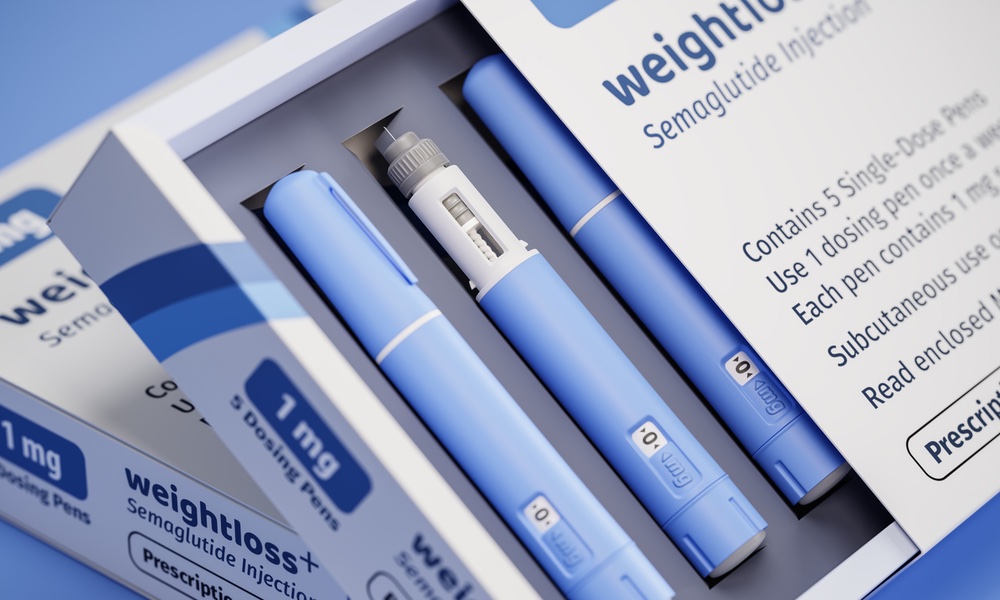


About one in eight U.S. adults takes a glucagon-like peptide-1 receptor agonist (GLP-1 RA) such as semaglutide (sold as Ozempic or Wegovy) or tirzepatide (Zepbound or Mounjaro) for weight loss or to treat type 2 diabetes. Another upside of GLP-1 drugs is that they also reduce the risk of heart attack and stroke or other cardiovascular events by lowering cholesterol and triglyceride levels, blood pressure and inflammation.
When patients stop taking GLP-1 drugs, however, they not only regained weight, but, researchers recently found, their cardiovascular risk increased, too.
The findings highlight the importance of consistency when it comes to GLP-1 treatment. “People who are thinking of starting a GLP-1 RA need to know they will probably be taking this medication for the long haul,” Ziyad Al-Aly, senior author on the study, told TheDoctor.People who took GLP-1s for two or two-and-a half years lowered their cardiovascular risk by seven percent and 15 percent, respectively. Unfortunately, the heart benefits were quickly lost when treatment stopped.
The treatment status of GLP-1 RA users was evaluated every six months. The effect of GLP-1 treatment on cardiovascular risk depended on how long study participants took the medication. Participants who used the drugs during the entire follow-up period had the greatest reduction in cardiovascular risk, 18 percent, compared to those taking sulfonylureas.
About 23 percent of participants on GLP-1 RAs stopped taking the medication for at least six months during the three-year follow-up period and then resumed treatment. People in the study who used GLP-1s for two or two-and-a half years lowered their cardiovascular risk by seven percent and 15 percent, respectively. Participants who took GLP-1 for 18 months or less saw no significant reduction in cardiovascular risk compared to those taking sulfonylureas.
Another 26 percent of those on GLP-1 drugs stopped taking the medication and did not restart treatment.People often stop GLP-1 treatment because they find the side effects intolerable, but discontinuing the drugs was associated with an increase in cardiovascular risk.
People often stop GLP-1 RA treatment because they find the side effects intolerable. Those who experience severe side effects should try to work with their provider to manage them before they decide to discontinue treatment, said Al-Aly, a clinical epidemiologist at Washington University of St. Louis.
The study and a related editorial are published in BMJ Medicine.