
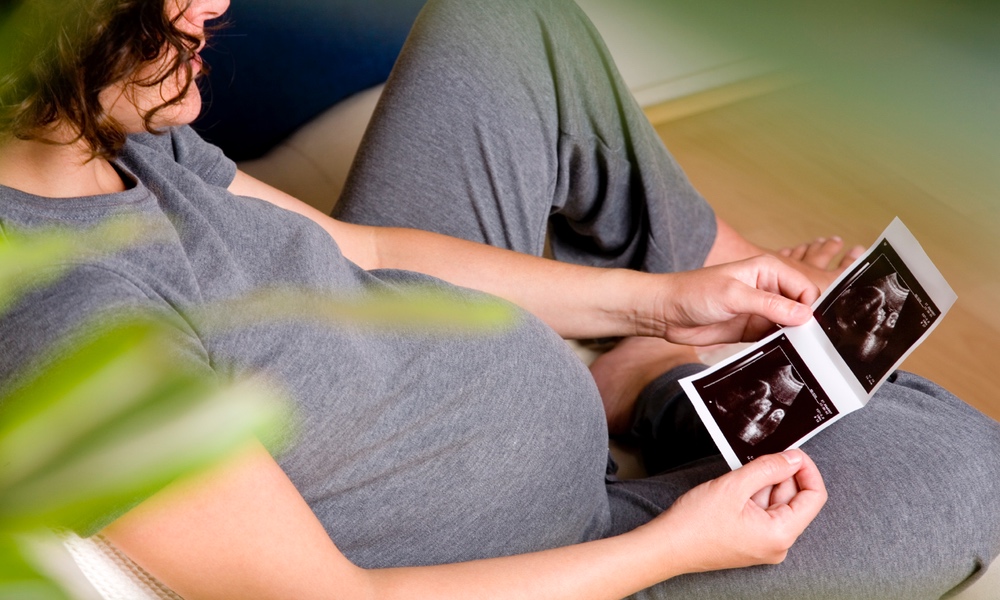


There's an agonizing dilemma many women have faced during pregnancy. The issue? Whether to continue taking antidepressants and worry about possible side effects on their baby, or stop treatment and risk a return of depression.
A major new analysis published in The Lancet Psychiatry offers reassuring news. Researchers found there is no convincing evidence that taking commonly prescribed antidepressants during pregnancy causes autism spectrum disorder (ASD) or attention-deficit/hypersensitivity disorder (ADHD) in children. Instead, the apparent connection seen in some earlier studies appears to be explained largely by underlying parental mental health conditions and genetic factors.
The study, by researchers at the University of Hong Kong, is the most comprehensive review of the question to date. Researchers analyzed data from 37 studies, including more than 600,000 pregnancies involving antidepressant use and nearly 25 million pregnancies without antidepressant exposure.Depression can affect a woman's health, her ability to care for herself during pregnancy and her wellbeing after delivery. For some women, discontinuing medication may increase the likelihood of relapse.
But that wasn't the end of the story. The researchers then accounted for factors known to affect neurodevelopment, including maternal mental health disorders, family history and other potential confounders. A cofounder is a hidden, third factor in a study that influences both its cause and the effect. Once those factors were considered, the associations weakened substantially or disappeared altogether.
One of the study's most telling findings involved fathers. Children whose fathers took antidepressants during the pregnancy period also showed an elevated risk of autism and ADHD. Since fathers' medications cannot directly affect a fetus in the womb, this finding points toward shared genetic and family factors rather than a medication effect.
The investigators also reported similar patterns among women who used antidepressants before pregnancy but not during it. Again, that suggests that the underlying condition, not the medication itself, may explain much of the observed risk.
As Dr. Chang explained in a press release: “We know many parents-to-be worry about the potential impact of taking medication during pregnancy. Our study provides reassuring evidence that commonly used antidepressants do not increase the risk of neurodevelopmental disorders such as autism and ADHD in children.”
A few older antidepressants, including amitriptyline and nortriptyline, remained linked to increased risks in some analyses. However, the authors note that these drugs are often prescribed for people with more severe or treatment-resistant depression, making it difficult to separate the effects of the medication from the effects of the underlying illness.The connection to antidepressant use seen in some earlier studies appears to be explained largely by underlying parental mental health conditions and genetic factors rather than the drugs themselves.
The findings are particularly important because untreated depression during pregnancy carries risks of its own. Depression can affect a woman's health, her ability to care for herself during pregnancy and her wellbeing after delivery. For some women, discontinuing medication may increase the likelihood of relapse.
Like all research, the study had limitations. Some of the underlying studies lacked detailed information on socioeconomic factors, lifestyle habits, birth outcomes and medication use during specific trimesters. The authors also acknowledge that women taking antidepressants often have more severe depression than women who do not, making it impossible to eliminate all sources of bias. Still, the sheer size of the analysis and its careful attention to confounding factors make it one of the strongest pieces of evidence available.
The study is published in The Lancet Psychiatry.