
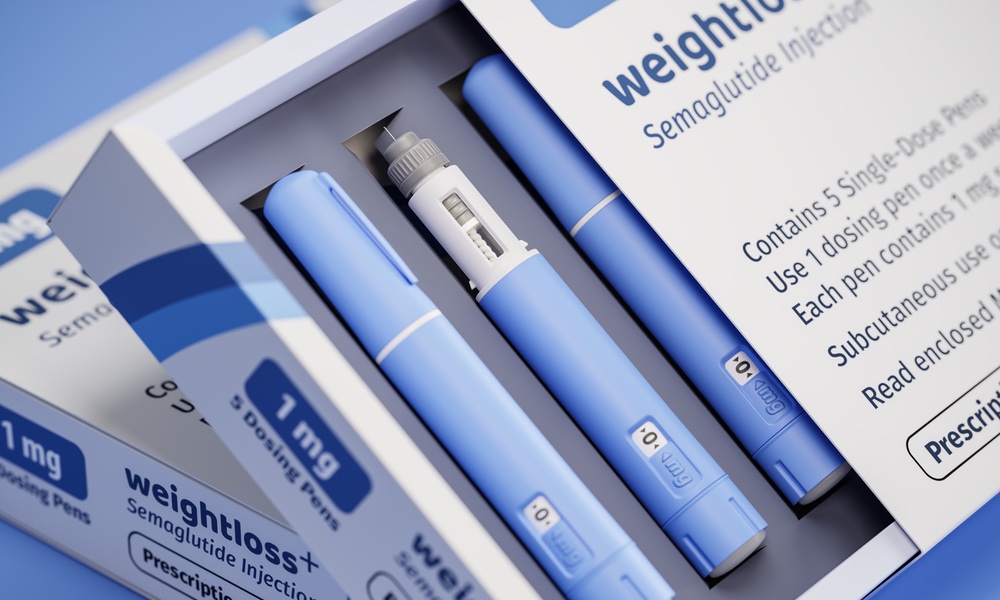


GLP-1 medications, such as Ozempic and Wegovy, have transformed the treatment of diabetes and obesity. But while these drugs have become increasingly popular, a new study suggests their growing use comes with another trend that deserves attention: the drug's rapidly rising overall costs.
Researchers at Northwestern University found that total payments for GLP-1 medications climbed dramatically between 2017 and 2022, raising important questions about who ultimately pays for these drugs and whether they will remain affordable as more people use them for years, or even decades.
The study used data on nearly 1,500 adults who reported taking a GLP-1 medication between 2017 and 2022 and were part of the nationally representative Medical Expenditure Panel Survey (MEPS). The participants represented an estimated 20 million plus adults nationwide.Among adults without diabetes, GLP-1 use increased an astonishing 643 percent between 2017 and 2022.
Rather than looking only at a patient's out-of-pocket costs, they examined total payments, including money paid by patients, private insurers, employers, Medicare, Medicaid and other government programs.
The study period covered the years after semaglutide (Ozempic) was approved for type 2 diabetes in 2017 and before and after Wegovy was approved for weight management in 2021. Trizepatide (Munjaro and Zepbound) was not included because its approval for weight loss came after the study ended.
The findings reveal just how quickly GLP-1 use expanded. Among adults without diabetes, use increased an astonishing 643 percent between 2017 and 2022. Among adults with diabetes, GLP-1 use rose 230 percent during the same period.
As use climbed, so did spending. Average total payments per patient increased 157 percent for adults without diabetes and 36 percent for those with diabetes. Interestingly, patients themselves were not paying more out of pocket. In fact, average out-of-pocket costs actually fell 26 percent among adults without diabetes and 39 percent among those with diabetes. This suggests that a growing share of the expense was being absorbed by insurers, employers and government health programs.
The researchers point out that their analysis ends in 2022 before the even more rapid expansion of GLP-1 prescribing seen over the past several years. Since then, Medicare and Medicaid spending on these medications has continued to rise, and Medicare recently introduced a temporary program allowing many eligible beneficiaries to obtain GLP-1 medications for a flat monthly payment.
Senior author Xiaoning Huang, MD, MPH, assistant professor of medicine in the Division of Cardiology at Northwestern University Feinberg School of Medicine, says that the broader impact extends well beyond the people taking these medications. Higher spending can translate into higher insurance premiums, larger government expenditures supported by taxpayers, or stricter insurance coverage rules designed to control costs.Higher spending can translate into higher insurance premiums, larger government expenditures supported by taxpayers, or stricter insurance coverage rules designed to control costs.
The team emphasizes that their findings should not be interpreted as an argument against GLP-1 medications, which have demonstrated important benefits for many patients. Instead, they say the results highlight the need for policies that make these highly effective drugs more affordable, while ensuring access for the people who need them.
The study is published in the Journal of the American Heart Association.