


Colorectal cancer remains one of the deadliest cancers, but it is also among the most preventable when caught early. Newly updated screening guidelines from the American Cancer Society (ACS) expand the options available to patients in hopes of getting more people screened and saving more lives.
The updated recommendations continue to advise that adults at average risk begin colorectal cancer screening at age 45 and continue through age 75, if their life expectancy exceeds 10 years. But for the first time, the guidelines also include a blood-based screening test, along with newer stool-based tests that can be done at home.
The guidelines update was led by the ACS Guideline Development Group and headed by Andrew Wolf, MD, professor emeritus at the University of Virginia School of Medicine, and included a panel of cancer prevention and screening experts.By expanding screening choices, the American Cancer Society hopes to reach millions of Americans who have put off screening and left themselves at risk.
“We need to increase our emphasis on colorectal cancer as a highly preventable disease as much as a treatable one,” Dr. Robert Smith, senior vice president of early cancer detection science at the American Cancer Society and senior author of the report, said in a press release. “By offering more screening tools in our guideline updates, more eligible adults will be able to participate in lifesaving colorectal cancer testing, helping to close the screening gap and catch more cancers at an earlier, treatable stage.”
That screening gap is significant. According to the ACS, about one in three eligible adults are not up-to-date with colorectal cancer screening. At the same time, colorectal cancer is increasingly affecting younger adults, and is now the leading cause of cancer death in men under 50 and the second-leading cause in women under fifty.
Colonoscopy remains the most effective screening test because it allows doctors not only to detect cancer, but also to remove precancerous polyps before they become dangerous. Still, many people avoid the procedure because it requires unpleasant bowel preparation, sedation and time off from work.
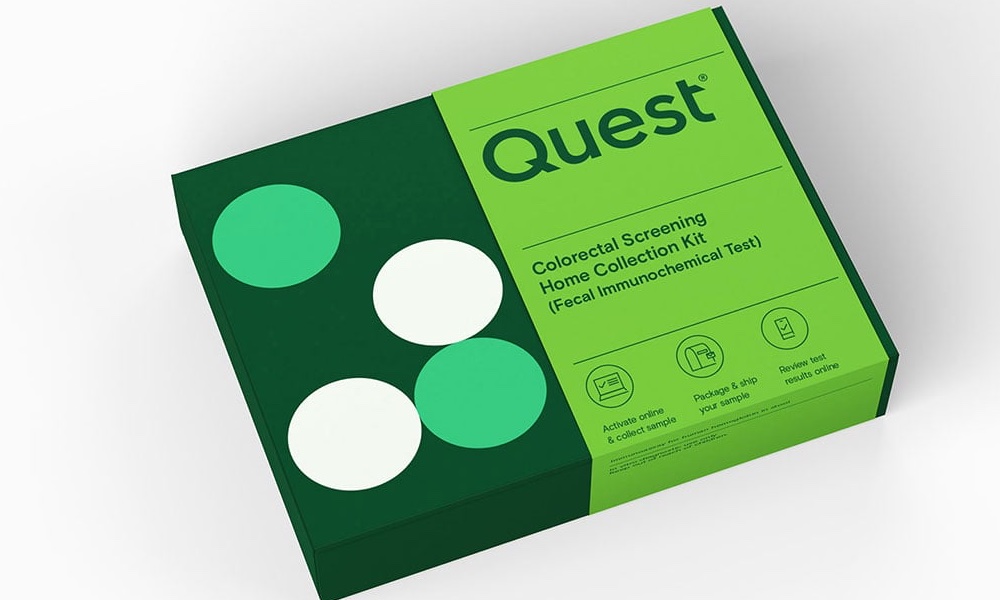
That's why the updated guidelines also recommend stool-based screening tests that can be completed at home. These include the next-generation stool DNA test Cologuard and a newer stool RNA test called Colosense. Both tests look for hidden blood, as well as molecular markers associated with colorectal cancer. They are generally recommended to be done every three years.
The panel found that while the blood test detected about 83 percent of colorectal cancers, it was less sensitive for early-stage cancers and advanced precancerous lesions. That matters because identifying polyps before they become cancerous is one of the major advantages of colonoscopy and stool-based testing. At the same time, the panel concluded that the most effective screening test is the one the patient completes.The updated guidelines emphasize stool-based screening tests that can be completed at home, but any positive result still requires follow-up colonoscopy, ideally within six months.
Experts caution that neither stool nor blood tests completely eliminate the need for colonoscopy. Any positive result still requires follow-up colonoscopy, ideally within six months.
The bottom line from cancer experts is clear: colorectal cancer is highly treatable and even preventable — when caught early. Since the most effective screening test is the one a person is willing to take, by expanding screening choices, the American Cancer Society hopes to reach millions of Americans who have put off screening and left themselves at risk.