


The number of people living with dementia could reach 78 million worldwide by 2030. This makes finding ways to maintain brain health and promote healthy aging is a public health priority.
One way to do this is to find ways to ease the social isolation many seniors face. Loneliness and isolation can increase dementia risk by up to 50 percent, and one of the best ways to prevent isolation is to participate in social activities.
Scientists at the University of Pittsburgh recently looked at how dementia-prone parts of the brain work in older people when they are socially active. In an earlier study, the researchers found cells in these parts of the brain, which are responsible for memory, executive functioning and orientation, stayed healthier if older adults socialized with others. In the new study, they found that social activity slowed age-related cognitive decline in the same parts of the brain.At the end of the eight-year study period, those who participated in more activities had the slowest decline of cognitive function.
The current study, published in Alzheimer's and Dementia: The Journal of the Alzheimer's Association, followed more than 6,800 Medicare recipients enrolled in the National Health and Aging Trends Study over eight years. Participants ranged from 65 to over 90 years of age.
People in the study were asked if they:Community aging programs, bingo, book and gardening groups can all help. So can volunteering. Regular, scheduled activities with others is the goal.
- Lived alone or with others
- Drove themselves places
- Had gone somewhere for enjoyment (for dinner or to see a movie, for example) within the last month
- Participated in clubs or other organized activities
- Attended religious services
- Visited family or friends in person
- Worked for pay
- Did volunteer work
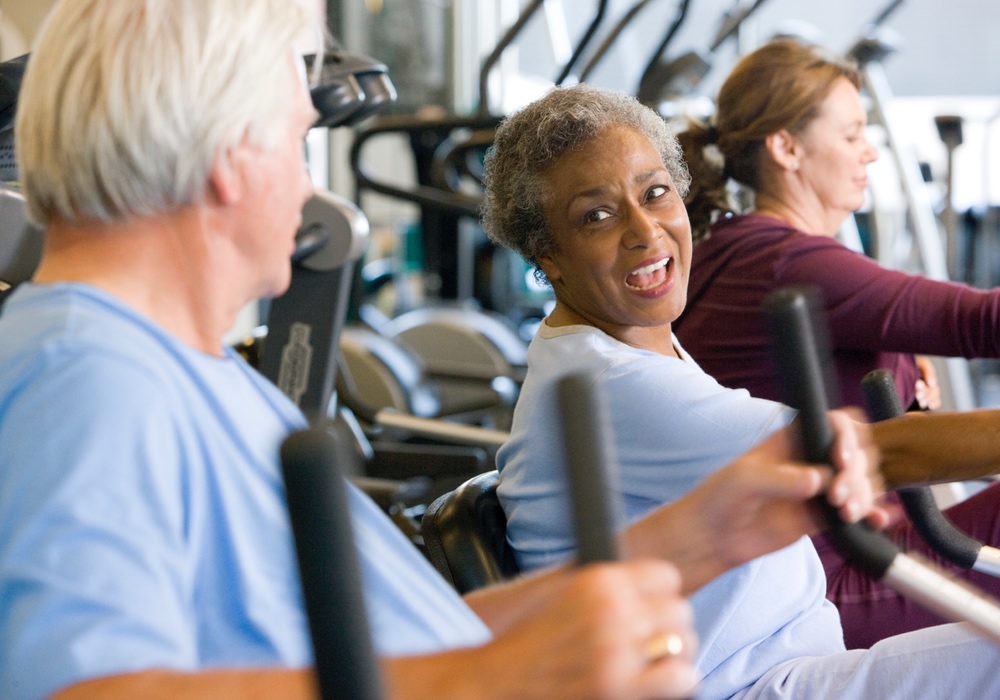
Community aging programs, such as the nationwide SilverSneakers programs, bingo, book and gardening groups, can all help. So can volunteering. Regular, scheduled activities with others is the goal.
Seniors should think of social activities as a type of natural exercise for the brain, a variation of the principle of use-it-or-lose-it. “People lose muscles when they don't use them. Likewise…" Felix, a postdoctoral associate in the department of psychiatry at the University of Pittsburgh School of Medicine said.
Results such as these will hopefully mean more care providers encourage aging patients, particularly those who live alone, to make having regular social interactions a priority.