



Since states began to legalize cannabis for both recreational and medicinal purposes, seniors have been using it more frequently both for recreational purposes and to address a variety of health concerns.
Edible products are popular among older adults who use cannabis.
To understand more about why seniors are turning to cannabis, researchers from the University of Utah and the University of Colorado interviewed nearly 170 adults over 60 who were planning to buy cannabis edibles for the first time. They asked these shoppers why they were trying cannabis.
One reason people gave was help with the normal aches and pains associated with aging or past injuries. Some were also looking to improve their sleep — they wanted to fall asleep faster, sleep for a longer period of time and have better quality sleep.One thing that stood out was the misperception that cannabis is safer than pharmaceuticals. “People think cannabis is safer because it comes from a plant, so it is perceived as more natural.”
Others said they hoped cannabis might improve their mental health, easing symptoms of depression and anxiety, as well as improving their mood overall, so they could enjoy life more.
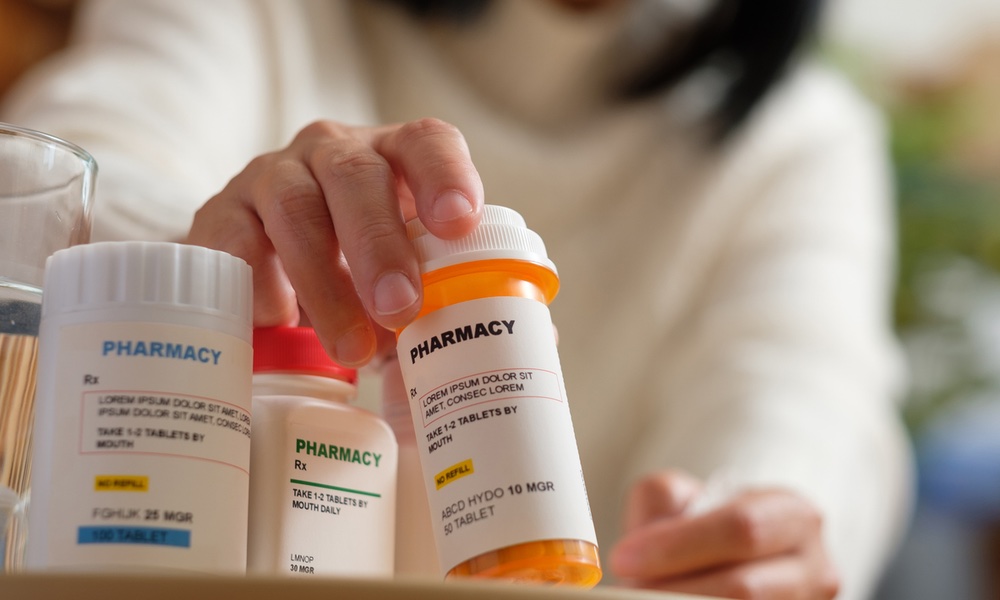
The researchers also found that people were turning to cannabis edibles because other treatments had not worked. Rebecca Delaney, first author on the study, told TheDoctor, “They wanted to avoid pharmaceuticals, and their symptoms were not being helped by other medications.”
One thing that stood out was the misperception that cannabis is safer than pharmaceuticals. “People think cannabis is safer because it comes from a plant, so it is perceived as more natural,” Delaney explained.
The truth, however, is that we still don't know enough about cannabis to be certain how safe it is compared to familiar over-the-counter medications.
At the same time, many have become more aware of the side effects related to long-term use of over-the-counter medications. This makes cannabis use among seniors a double-edged sword. As Delaney put it: Older adults are more informed about pharmaceutical side effects, so they are willing to try cannabis; but because cannabis use is newer, we don't have much information about it.
Participants were asked where they got their information about cannabis. Some said they looked up studies of cannabis use, but most relied on information about others' experiences.
If you are interested in trying cannabis, seek information on the websites of institutions such as hospitals and universities and .org and .gov websites such as https://www.cdc.gov , the website of the Centers for Disease Control. These sites will provide evidence-based information. Don't accept the “facts” posted by a cannabis company that has much to gain from a growing market without checking those facts out. A cannabis company will have their own reports, but they are likely less evidence-based and not necessarily tied to clinical trials.
It's disturbing to note that people in the study said they rarely discussed cannabis use with their provider. The reason? “There is still a stigma attached to using cannabis that can make it tougher to approach your doctor,” Delaney, an assistant professor of population health sciences at University of Utah Health, said.To be as safe as possible, be sure to ask if cannabis interacts with medications you may be taking, but be aware that much about these interactions may still be unknown.
Some providers may be more well informed than others because this is a new area of research, but she recommends people talk to their providers anyway.
One way to start that conversation is to mention the treatments you have tried that have been ineffective, she said, and that you want to explore alternatives in a safe way and get the provider's perspective on what that may look like. To be as safe as possible, be sure to ask if cannabis interacts with medications you may be taking, but be aware that much about these interactions may still be unknown.
Beyond the current study, the team's goal is to develop decision-support tools adults can go to when deciding about cannabis use and discussing it with their providers.
The study is published in JAMA Network Open.