

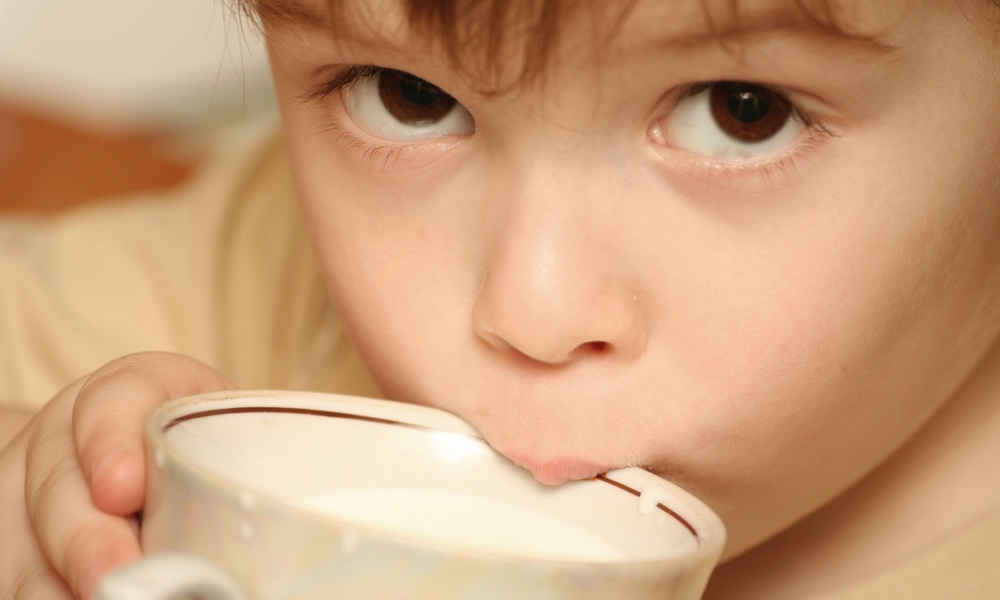


Raw milk is having a cultural moment. Promoted by wellness influencers and public figures as a more natural, nutrient-rich alternative to ordinary milk, it is attracting consumers despite warnings about foodborne illness.
At the same time, the American Academy of Pediatrics is renewing its call for a nationwide ban on sales of unpasteurized milk and dairy products, citing established dangers and a newer concern: Bird flu.
This guidance is based on a review of scientific evidence on illnesses linked to raw milk and other foods, nutritional claims made by its advocates, and the effectiveness of pasteurization.
The statement underwent the AAP's policy review process, including peer review before approval by the Academy's board of directors. Its updated guidance was last issued in 2014 and reaffirmed in 2025.The American Academy of Pediatrics recommends that families choose dairy products labeled as pasteurized, particularly for children and during pregnancy. It also urges a nationwide ban on raw milk and dairy products, including some cheeses.
The evidence includes outbreaks of illnesses in the U.S. linked to raw milk and other foods from 2013 through 2018. During that period, raw milk consumption was linked to 75 outbreaks involving 675 illnesses, 98 hospitalizations and two deaths. Nearly half of those who became ill were under 20 years old, and 14 percent were children under five. The infections were most often associated with Campylobacter, Salmonella and Shiga toxin-producing E. Coli.
How does this happen? Raw milk can be contaminated by pathogens including E. Coli, Listeria, Salmonella, Campylobacter and Brucella during milking or handling. Infections may cause diarrhea and vomiting, but severe cases can lead to kidney failure, neurological complications, hospitalization or death.
Pregnant people face particular risks: Listeriosis is estimated to occur 12 to 14 times more often during pregnancy than in the general population and can cause miscarriage, stillbirth, premature delivery or serious illness in a newborn. Young children, older adults and people with weakened immune systems are vulnerable.Pasteurization does not significantly change milk's nutritional value. The study found no evidence that raw milk prevents allergies, improves immunity or eases lactose intolerance.
The AAP statement highlights highly pathogenic avian influenza A, or bird flu, as an emerging concern. The virus has spread from wild birds to dairy cattle and can reach high concentrations in milk from infected cows. Researchers found infectious virus in nearly one-quarter of raw milk samples collected in areas affected by the 2024 dairy-cattle outbreak. The virus can remain detectable in refrigerated raw milk for up to five weeks.
No human infections from drinking raw milk have been confirmed at the moment, but the authors consider the possibility a credible threat.
Pasteurization kills the virus. Supporters of raw milk argue that heating destroys important nutrients or makes milk less beneficial, but the review found that pasteurization does not significantly change milk's nutritional value. Among the vitamins for which milk is an important dietary source, the review cited a decrease only in vitamin B12.
The study found no evidence that raw milk prevents allergies, improves immunity or eases lactose intolerance.The highly pathogenic avian influenza A or bird flu virus is an emerging concern. It has spread from wild birds to dairy cattle and can reach high concentrations in milk from infected cows.
“Parents may choose raw milk because they have heard that it is healthier or more natural, but the scientific evidence tells a different story,” co-author Mark R. Corkins, a pediatric gastroenterologist and nutrition specialist at the University of Tennessee Science Center, said in the AAP's statement, adding, “Pasteurized dairy provides essential nutrients without the added risk of preventable infections.”
The AAP recommends that families choose dairy products labeled pasteurized, particularly for children and during pregnancy. Its policy also urges a nationwide ban on raw milk and dairy products, including some cheeses. Although federal law prohibits most interstate sales of raw milk for human consumption, state rules vary.
The bottom line: Raw milk is not proven to be more nutritious, but it carries avoidable infectious risks. Pasteurized milk provides the nutrients consumers want without the exposure to dangerous bacteria and viruses.
The study is published in the journal, Pediatrics.