

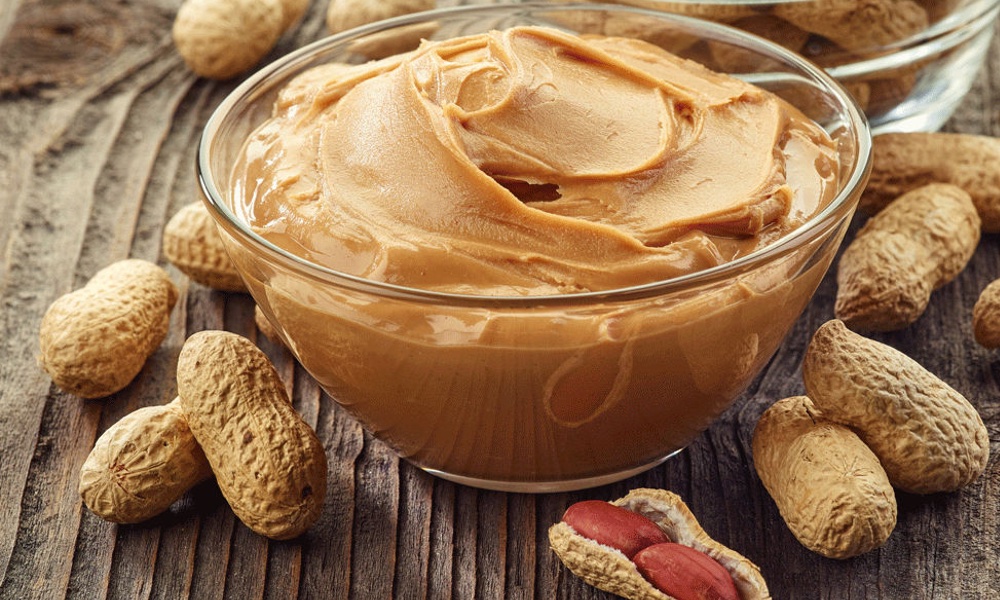


If you're the parent of a young child, here's some reassuring news: after decades of rising rates, peanut allergies in kids are finally on the decline. And this drop, experts say, may be the direct result of a shift in how and when doctors recommend introducing peanut products to babies.
For years, pediatricians had urged parents to keep peanuts far away from their infants, especially those thought to be at risk for allergies.
That advice, introduced by the American Academy of Pediatrics (AAP) in 2000, was rooted in caution. But as the number of kids with peanut allergies climbed, researchers began to suspect that the strategy of protecting kids from peanuts had backfired.
The steep rise in what were sometimes life-threatening peanut allergies in children led pediatricians to try a new approach: They began encouraging parents to introduce peanuts and later other allergenic foods early in infancy. A large new study shows that this shift in strategy has paid off — peanut allergy rates have fallen dramatically.The foods that once seemed most dangerous for babies may, when introduced early and safely, actually be protective.
Researchers found this out after looking at the electronic health records from nearly 85,000 children treated in 48 pediatric practices across the U.S. and comparing allergy diagnoses from before and after new feeding guidelines were issued in 2015 and expanded in 2017. The results were striking: peanut allergies dropped by roughly 43 percent following the early introduction recommendations.
“Our findings are encouraging. They signal that peanut and other food allergy rates are going in the right direction,” lead author Stanislaw Gabryszewski, an attending physician in the Division of Allergy and Immunology at Children's Hospital of Philadelphia (CHOP), told Food Allergy News.
This major turnaround in medical advice began with the landmark LEAP (Learning Early About Peanut Allergy) study in 2015. LEAP followed 640 infants between 4 and 11 months old and found that those who regularly ate peanut products until age five were 86 percent less likely to develop a peanut allergy than those who avoided them.
The evidence was so convincing that, soon after, major medical organizations, including the AAP and the World Allergy Organization, revised their guidance. The 2015 consensus statement recommended introducing peanuts between four and six months of age for high-risk babies. This included babies with eczema or an egg allergy.
The 2017 and 2021 updates went further, advising parents to introduce peanuts and other allergenic foods such as eggs and dairy for all infants around six months, regardless of risk.
Experts stress that early introduction doesn't mean handing your baby a spoonful of thick peanut butter. Instead, pediatric allergists suggest safe options like a tiny amount of smooth peanut butter thinned with breast milk, formula or warm water. For most babies, early introduction can be done safely at home. Once peanut-containing foods are introduced, doctors recommend keeping them in the diet regularly, a few times a week, to help maintain tolerance.
These new findings show that real-world medical practice is beginning to reflect the lessons learned from years of rigorous research. While the study had some limitations, such as relying on diagnosis codes rather than direct allergy testing, it nonetheless points to measurable and encouraging progress.As peanut allergies skyrocketed, researchers began to suspect that the strategy of protecting kids from peanuts had backfired.
For parents, this shift can be both empowering and comforting. The foods that once seemed most dangerous for their babies may, when introduced early and safely, actually be protective. While vigilance is still key, the tide is turning. The next generation may grow up in a world where peanut butter sandwiches are a lunchbox staple once again.
The study is published in Pediatrics.