
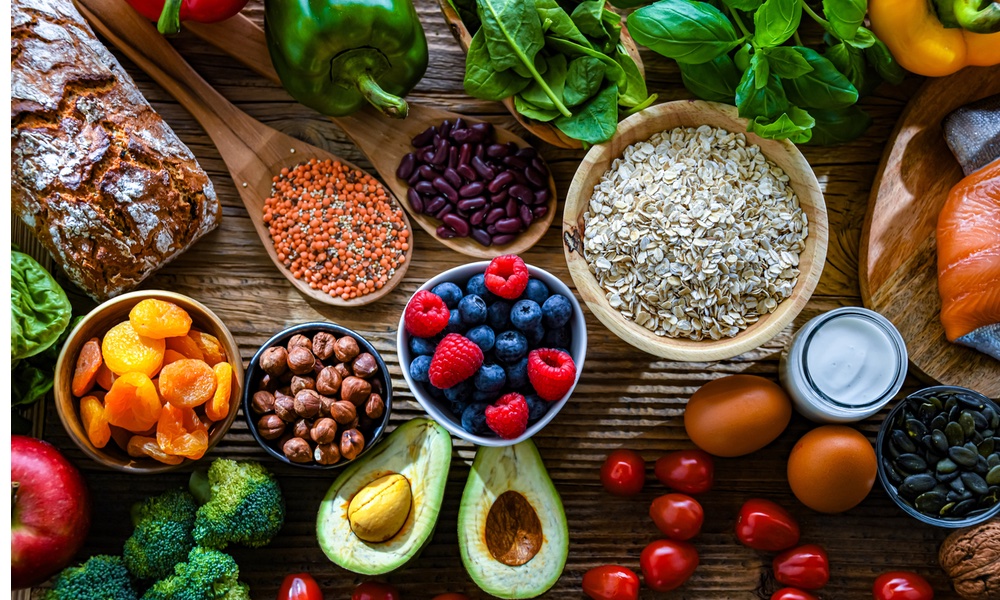


The Mediterranean-DASH Intervention for Neurodegenerative Delay or MIND diet is a mashup of the Mediterranean diet and the DASH or Dietary Approaches to Stop Hypertension diet. It emphasizes eating more vegetables, nuts, berries, whole grains, fish, beans, olive oil and poultry — and allows a moderate amount of wine.
In addition, the diet urges only limited consumption of fried foods, sweets, cheese, red meat and butter or margarine.
As its name implies, the MIND diet is associated with better cognitive functioning.
Recently, an international team of researchers from China found that people following the MIND diet tend to have less loss of brain tissue over time and less enlargement of the ventricles in the brain where tissue loss is accompanied by the enlargement of cerebrospinal fluid-filled spaces, conditions associated with dementia.There were some surprises in terms of the kinds of foods that offered the most — and least — protection.
“The findings reinforce the potential of the MIND diet as a brain-healthy dietary pattern and support its role in strategies to slow the rate of neurodegeneration in aging populations,” the researchers said in a statement.
The study looked at data from more than 1,640 middle-aged and older adults enrolled in the Framingham Heart Study Offspring cohort. The average age of participants at the start of the study was 60 years old.
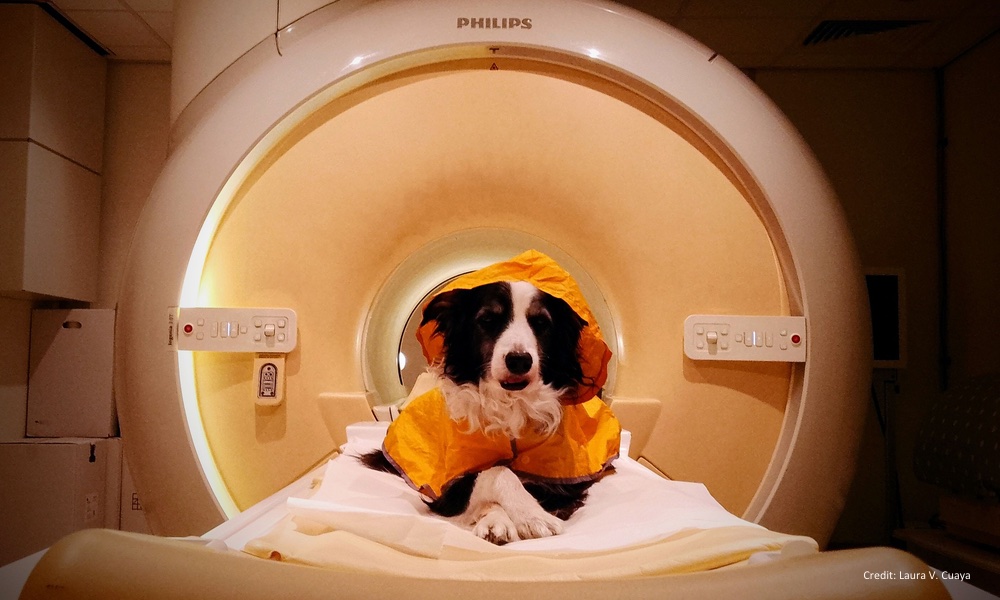
Magnetic resonance imaging (MRI) scans of the brains of people in the study were taken every two to six years between 1999 and 2019. Participants also completed at least one food frequency questionnaire at their checkups between 1991-1995, 1996-1998 and/or 1998-2001. Those with no evidence of stroke or dementia at the time of their first MRI had at least two scans between 1999 and 2019.
Based on their responses to the food frequency questionnaires, participants were also given an average MIND diet adherence score. The average among the group was seven out of a possible 15.
Those who were in the top third in terms of adherence to the MIND diet were more likely to be women and college educated. They were less likely to smoke, be obese or have health issues that could affect their brain, such as type 2 diabetes, high blood pressure (hypertension) or cardiovascular disease.
Each three-point increase in MIND diet adherence scores slowed the rate of gray matter loss by 0.279 cm3/year — equivalent to a 20 percent decrease in age-related decline and slowed brain aging by about 2.5 years. The same three-point increase in adherence scores also slowed the rate of ventricular expansion by the equivalent of eight percent less tissue loss and one year of delayed brain aging.
There were some surprises in terms of the kinds of foods offering the most — and least — protection. A diet that included plenty of berries was associated with a slower increase in ventricular volumes. Poultry also slowed the increase in ventricular volumes and slowed the loss of gray matter. Berries, which are rich in antioxidants, and high-quality sources of protein like poultry appear to help prevent nerve cell damage in the brain by reducing oxidative stress.Cheese slowed rates of grey matter and hippocampal volume loss and slowed ventricular expansion. Whole grains did not.
Sweets, on the other hand, increased the rate of ventricular expansion; and eating more sweets and fried foods increased the loss of hippocampal volume. One reason for this may be that fried foods are often high in unhealthy fats that could contribute to inflammation and vascular damage.
One surprise was the finding that whole grains were associated with faster brain aging. Greater consumption of whole grains increased the rate of gray matter and hippocampal volume loss and increased the rate of ventricular expansion.
Another unexpected result was that cheese slowed rates of grey matter and hippocampal volume loss and slowed ventricular expansion. Greater cheese consumption was also associated with fewer hyperintensities — the bright spots characteristic of tissue damage — on white matter.
The beneficial associations seen between the MIND diet and age-related changes in the brain were stronger in older participants. This suggests following the diet may do the most for those at greatest risk for faster brain aging. Those associations were also strongest in participants who were physically active and not overweight or obese.Each three-point increase in MIND diet adherence scores slowed brain aging by about two and a half years.
Combining healthy lifestyle strategies, the researchers say — eating a better diet and getting more exercise — could lower the risk of neurodegenerative diseases such as Alzheimer's and Parkinson's.
The study is published in the Journal of Neurology, Neurosurgery and Psychiatry.