

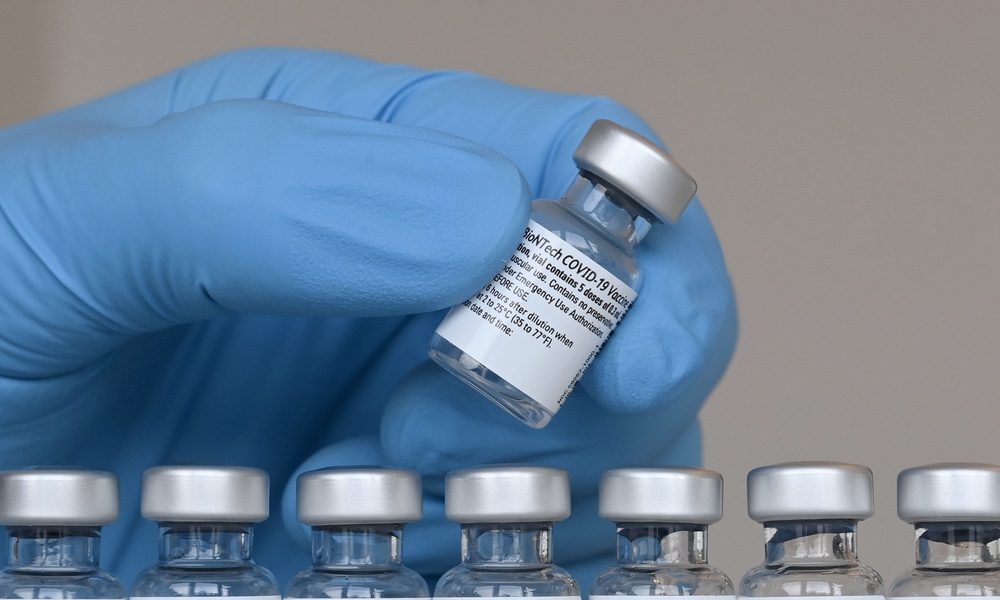


The initial COVID-19 vaccine against SARS-CoV-2 significantly reduced rates of hospitalization and death from the virus at the height of the pandemic.
But now that SARS-CoV-2 infections have been reined-in by vaccines, are COVID vaccine boosters even necessary?
Researchers at the Universities of Bristol and Oxford in the United Kingdom looked at the impact of booster shots on older adults to see how much of a benefit they offered.
The massive study analyzed records on hospitalization and death for about 2.5 million adults, all of them 50 and over. It found older adults who had received boosters had half the risk of COVID-19 hospitalization and death than those who did not receive them.Older adults who received boosters had half the risk of COVID-19 hospitalization and death than those who did not receive them.
These results provide more evidence that booster shots against COVID-19 are effective, especially for those 50 and over, a group less likely to bounce back easily from a COVID infection.
“Our findings reinforce the importance of booster vaccinations among people 50 years old and older,” Paul Madley-Dowd, an author on the study and a research fellow at the University of Bristol, said in a statement.
The study used data from primary care providers, hospitalization records and COVID-19 surveillance records on almost 3.5 million adults who had gotten the initial vaccine and were eligible for a COVID-19 booster shot during the fall of 2022.Both the Moderna and Pfizer-BioNTech vaccines provided similar levels of protection against the virus.
Records on people who did not get booster shots served as the control group. The booster and control groups were similar in age, the date of their COVID-19 vaccine dose, the brand of their prior vaccination, health status and location in the UK.
During the follow-up period, over 14,400 of the participants were hospitalized, more than 1,100 died of COVID-19 and more than 32,100 died of other causes. Boosted individuals had much lower 350-day risks of COVID 19 hospitalization (3.78 vs 6.81 per 1,000) and death (0.29 vs 0.61 per 1,000).
Boosters halved the risks of COVID 19 hospitalization and death. Antiviral protection from the vaccine was strongest during the first 70 days and decreased over time. Both the Moderna and Pfizer-BioNTech vaccines provided similar levels of protection against the virus, although those who received Moderna had slightly higher rates of non-COVID-19 mortality.
The researchers also compared fracture risk between the group who got booster shots and the controls. They did this because the risk of sustaining a fracture was unrelated to vaccination status and could be used to support the accuracy of the study findings. At the end of the follow-up period, almost 53,000 of the participants had had fractures. Those who had gotten a COVID-19 booster had slightly less risk of a fracture than the controls.
The message for older adults is clear: COVID booster shots remain as good protection from being infected by the virus and against its most dangerous symptoms. The findings are likely not much different for younger adults, but this study did not address that age group. Protection wanes over time, so don't overlook the need to get booster vaccines.
The study is published in the journal Vaccine.