
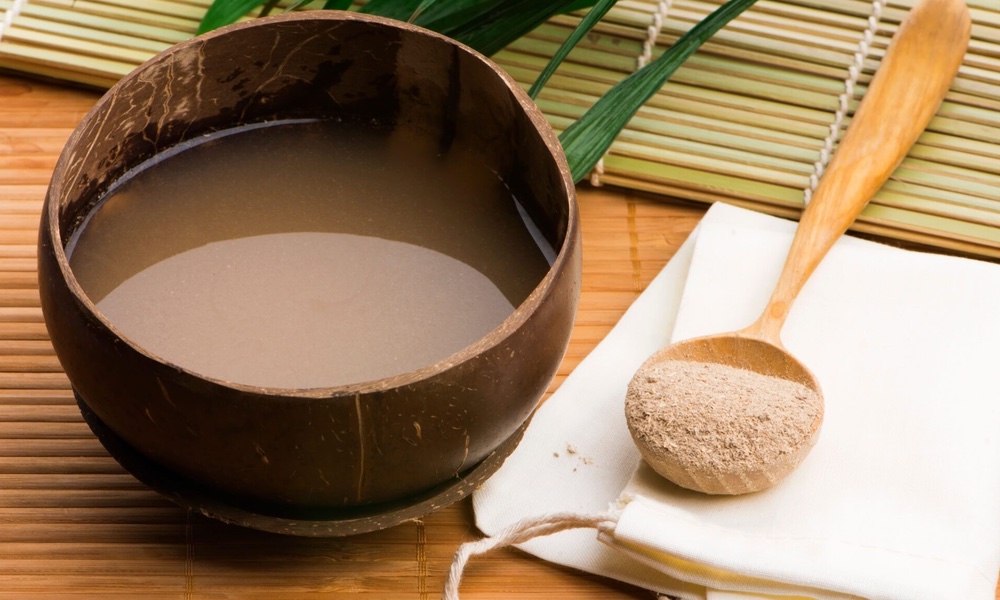


The appeal is easy to understand. It's a calming, plant-based drink, marketed as a safer alternative to alcohol.
But behind kava's soothing reputation, a troubling trend is emerging and it's one that has poison control experts increasingly concerned.
A new study from the University of Virginia (UVA) Health System reports a dramatic rise in calls to U.S. poison centers involving kava, a plant-derived substance now widely sold in beverages, supplements and extracts. Those calls surged by over 350 percent between 2011 and 2025, climbing from just 57 cases to 203.
To better understand how the growing popularity of kava products is affecting public health, Rita Farah, a researcher at UVA Health, and colleagues from the Blue Ridge Poison Center analyzed national poison center data over a 25-year period, examining trends in kava exposure, severity of outcomes and demographic patterns.Kava is often sold in concentrated forms that are largely unregulated, and their strength and purity can vary widely.
What they found raises red flags. Men 20 and older accounted for the majority of the reported cases, and the severity of these incidents appeared to be increasing. For instance, in 2025 nearly one third, 32 percent, of kava-related exposures resulted in serious health outcomes, including neurological and cardiovascular complications. That figure was second only to 2024, when 39 percent of cases were classified as severe.
Part of the growing danger may lie in how kava is being consumed today. Traditionally used in Pacific Island cultures, kava is made from the root of a plant and prepared as a water-based beverage during social or ceremonial gatherings. Its active compounds, called kavalactones, have mild sedative and anti-anxiety effects. But modern commercial versions are a different story.
In the United States, kava is often sold in concentrated forms such as capsules, extracts and ready-to-drink products. These versions can be two to ten times more potent than traditional preparations.
These products are also largely unregulated, meaning their strength and purity can vary widely. That variability increases the risk of side effects such as rapid heartbeat, nausea, vomiting and in some cases, liver injury.
Another emerging concern is the growing combination of kava with other substances, particularly kratom, a psychoactive supplement often sold in gas stations and vape shops as an energy booster, mood lifter, pain reliever and remedy for the symptoms of withdrawal from opioids.
In 2025, about 30 percent of kava-related poison center calls involved both substances. This combination can amplify risks, leading to more severe reactions such as seizures and tremors.
Calls to poison centers about kava had previously declined after a 2002 U.S. Food and Drug Administration (FDA) warning linking the substance to liver failure. Reports dropped from 331 cases in 2001 to just 42 in 2010.
But that has changed. Cases of kava poisoning have steadily climbed again since 2011, as new products have entered the market and kava has been marketed as a “natural” alternative to sedatives.
“The number of kava-related calls to poison centers decreased after the 2002 Food and Drug Administration public warning associating liver failure with kava ingestion," according to Chris Holstege, MD, director of the Blue Ridge Poison Center and co-author of the study.What looks like a gentle herbal remedy may, in today's marketplace, be something far more potent and potentially dangerous.
"We are now experiencing an increase in calls again as new kava products enter the market, including products mixed with other substances such as kratom that can cause adverse reactions,” Holstega added in a press release.
The findings highlight a broader issue: the gap between perception and reality when it comes to “natural” products. While kava has a long history of traditional use, modern formulations, and modern habits, may carry very different risks.
For consumers, the takeaway is not necessarily to avoid kava altogether, but to approach it with caution. Experts recommend avoiding high-potency products, steering clear of mixing substances, and consulting a healthcare provider, especially if you have a liver condition or take medications.
As kava continues to gain popularity, awareness may be the most important safeguard. What looks like a gentle herbal remedy may be far more potent and potentially dangerous than you think.
The study is published in Morbidity and Mortality Weekly Report (MMWR) .