


The growth of cancer cells is affected by many variables. The interaction of the immune system, tissues involved in metabolizing the nutrients we consume, and the trillions of microorganisms comprising the human microbiome all play a a role.
When researchers study what makes cancer cells grow, they usually look at that growth in mice or use two-dimensional models of human cancer cells. In order to better study how diet impacts human tumor growth, Maryam Kohram, an assistant professor of biology and physics at Georgetown University, and colleagues at Princeton University devised a new three-dimensional medium that was closer to our water-based human interstitial fluid.
“It is hard to isolate the effects of diet in mice and patient models. That is why we developed this simplified system to study the effects of different dietary conditions on tumor growth,” Carolina Trenado-Juste, co-first author on the study with Kohram and a postdoctoral fellow at Princeton, told TheDoctor in an email.A high-fat diet accelerated cellular growth and tumor invasion in triple-negative breast cancer.
The new culture medium could be adjusted to approximate five different dietary conditions that occur in the human body: baseline (before eating), high insulin (after eating), high glucose (diabetes), high ketone (low carbohydrate) and hyperlipidemia (high fat).
The study applied these conditions to cells involved in triple-negative breast cancer because it is particularly difficult to treat. They found that a high-fat diet accelerated cellular growth and tumor invasion compared to the other dietary conditions.
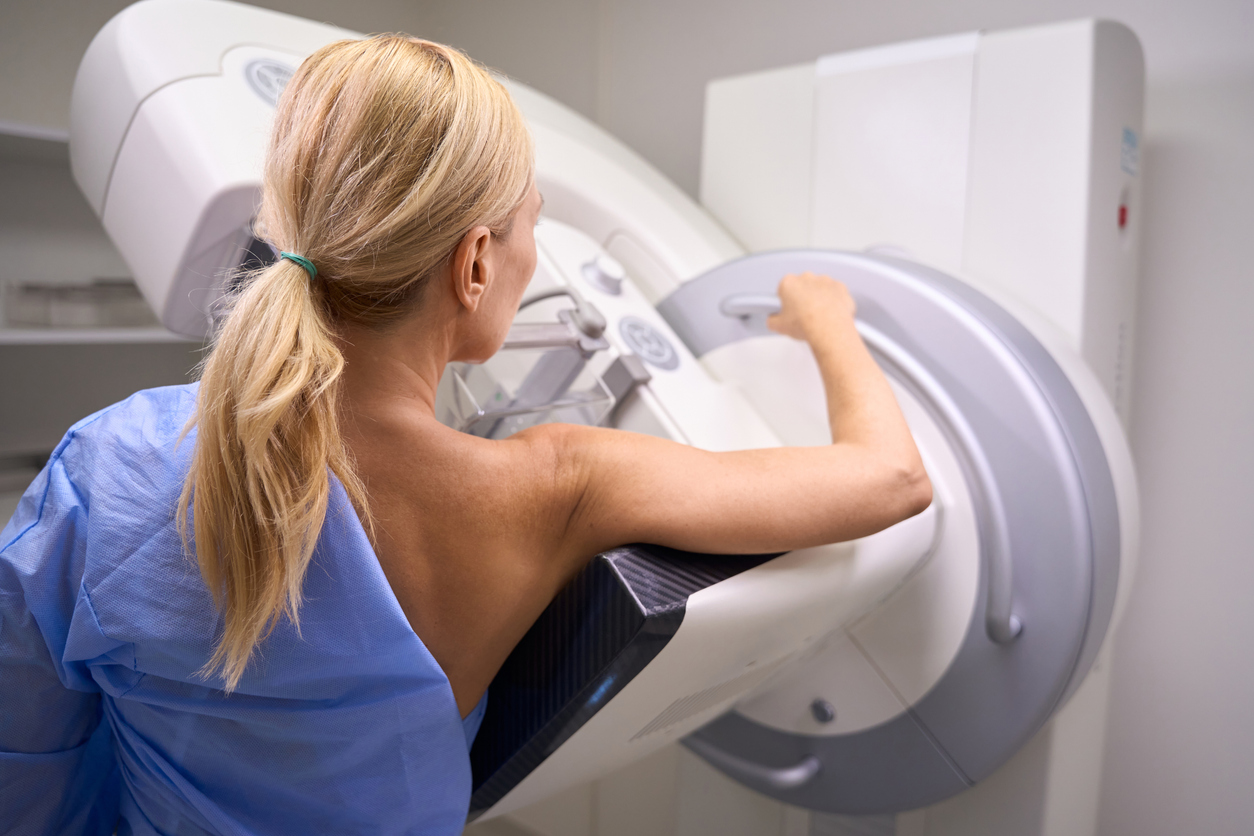
“We were hoping to identify dietary conditions that slowed tumor growth. Instead, we found a diet that accelerated tumor growth,” co-author Celeste Nelson, the Wilke Family Professor of Bioengineering and a professor of chemical and biological engineering at Princeton, said in a statement.One of the best ways to for women to reduce their breast cancer risk, according to the American Cancer Society, is to eat a healthy diet and avoid processed foods.
Women can also limit alcohol consumption or avoid it altogether to reduce their risk. Exercise reduces risk as well. It can be as simple as taking a walk in the neighborhood.
The study is published in APL Bioengineering.