



Sleep plays an important role in cognitive function, refreshing the brain and helping us stay alert. For teens and young adults, adequate sleep improves both academic performance and social interactions.
College students are particularly prone to inadequate sleep or irregular sleep patterns. The demands of college and the opportunities to socialize mean many college students burn the candle at both ends.
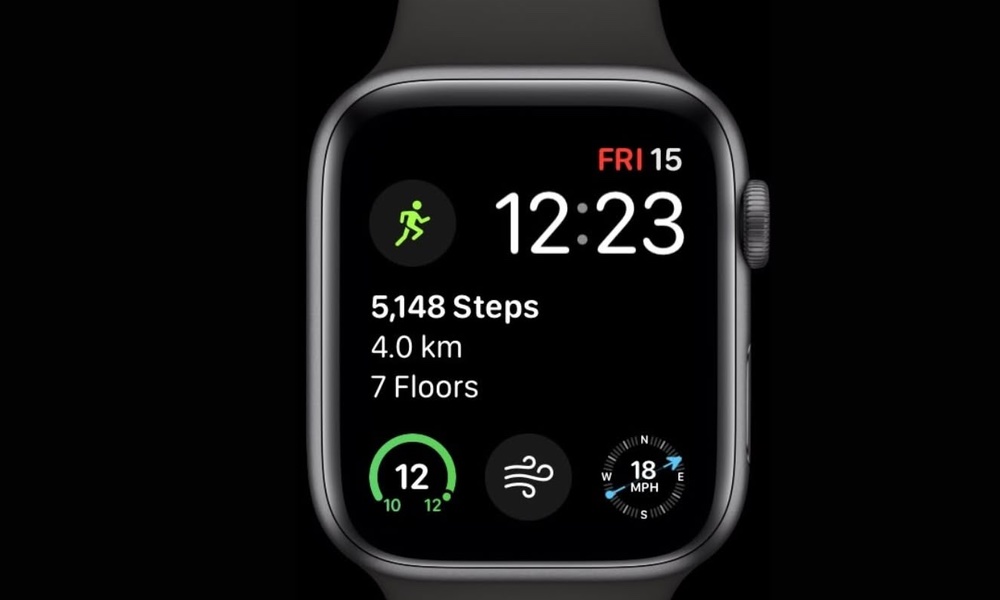
Researchers at Temple University used wearable devices to track students' sleep and help them see both how students' sleep patterns change during their four years at college, and get a clearer idea of how those changes affect students' academic performance and social relationships.
“College is a unique time of life when students experience major changes in their daily routines, academic demands and social lives,” Yao Zhao, coauthor with Haoyu Zhou, also at Temple, told TheDoctor in an email. “By using four years of daily data collected from wearable devices, we were able to observe long-term patterns that shorter studies could not capture,” he added, noting that other studies have looked at students' sleep patterns at just one point in time or over a single semester.Students got less sleep at the beginning of the year, during fall semester finals, spring semester midterms, and finals at the end of the year.
The study analyzed more than 61,200 daily sleep records from Fitbits worn by 76 undergraduates at a private university in the U.S. and found that from freshman through senior year, students got an average of eight more minutes of sleep a night.
The amount of sleep students tended to get also varied over the course of the academic year. It's probably not a surprise that students got less sleep at the beginning of the year, during fall semester finals (November-December) and spring semester midterms (February-March) and finals at the end of the year (April-May).
“Academically stressful times such as exam periods are a particularly important time for students to pay attention to their sleep and overall well-being,” said Zhao, a PhD candidate in statistics at Temple. Overall, students' sleep duration dropped from the beginning to the end of the semester.Students with higher GPAs consistently slept more, not less, than those with lower GPAs.
The value of a good night's rest was most apparent when the researchers looked at participants' academic records. The connection between sleep duration and grade point average (GPA) was significant. Students with higher GPAs consistently slept more than students with lower GPAs.
“Maintaining healthy sleep habits may be important for long-term academic success,” Zhao said. Students should not look at time spent sleeping as less time spent studying, he added.
Some tips to help busy college students get enough sleep include:
- Sleep duration is important, but sleep timing and consistency are important, too. Stick to a consistent sleep schedule.
- Nighttime exposure to artificial light, such as smartphone and computer screens, can make it harder to fall asleep. It's a good idea to turn off screens at least 30 to 60 minutes before going to bed.
- Late night or irregular meal schedules can also throw off body rhythms. Stick to consistent mealtimes and try to avoid eating past seven o'clock.
The study was published in PLOS One.