

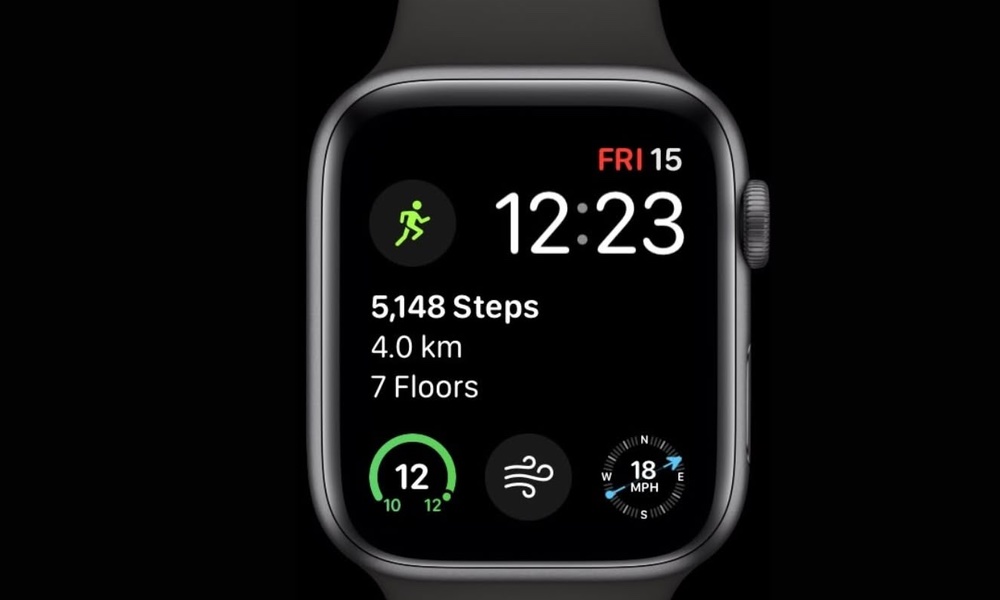


Physical activity helps people with heart disease reduce their risk of future cardiovascular events. Many people, unfortunately, can't participate in recommended physical activity programs for cardiac rehabilitation because of time, distance and financial barriers.
Wearable fitness trackers and smartphone apps and other digital tools can help people with heart disease overcome these barriers by tracking their levels of activity and making physical activity a part of their daily lives, a new study from researchers at Pennsylvania State University and the University of Maryland has found.
These digital tools can be used to motivate adults with heart disease and those over 60 to make lifestyle changes and send reminders about medication schedules. For example, some smartphone apps include coaching and goal review so users can see and record their progress and adjust their goals as needed. Trackers and apps also allow patients to set personalized daily step goals, give feedback and may link home-based rehabilitation programs to healthcare professionals so they can monitor treatment.Heart patients who used activity trackers or other digital tools walked almost 1,100 more steps a day than those who did not use them.
The researchers analyzed data from more than 14 clinical trials published over a 25-year period and involving 1,000 participants who had been diagnosed with cardiovascular disease, including coronary heart disease, heart failure or a history of heart attack and stroke. Participants were 18 years and older, with one exception — one study included adolescents 12 years and older.
Heart patients who used activity trackers or other digital tools walked almost 1,100 more steps a day compared to those who did not use them. They also got about four more minutes of moderate-to-vigorous physical activity a day. People in the studies enjoyed these benefits no matter what app or device they used.
“These devices are not just gadgets. When included in a treatment plan, they can help patients take small but important steps toward better cardiovascular health,” senior author, Ramin Zand, said in a statement.Trackers and apps allow users to set daily step goals, see and record their progress, and adjust goals as needed.
The study is published in the Journal of the American Heart Association.