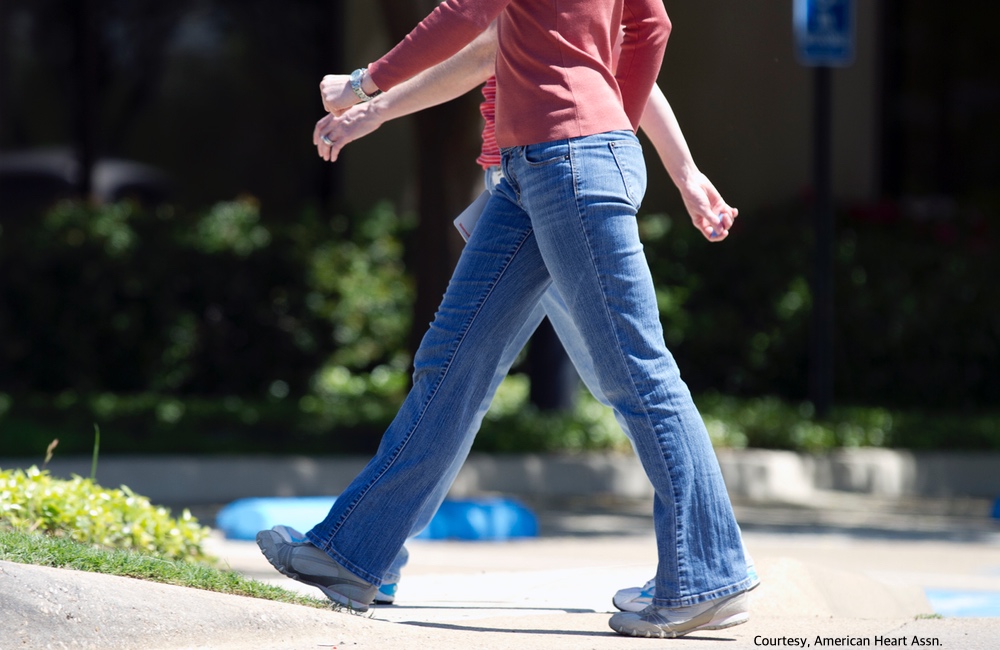



MN: The early studies on this subject focused on how exercise helped people with heart disease. Soon, we realized that exercise could also reduce the risk of diabetes. Since then, the list has grown considerably.
People who exercise regularly lower their risk of hypertension, heart disease, diabetes, osteoporosis, depression, anxiety, sleep problems and frailty. Frailty is a special problem for the elderly because it leads to bad falls and generally poor health. We know now that even the frail benefit from exercise. One of the main benefits of exercise is that it increases lean tissue in the body. Lean tissue includes muscle, bone, and internal organs — basically everything in the body except fat. We tend to lose lean tissue as we age. Exercise helps keep your weight under control and reduces the risk of stroke. More recently, studies have also shown that people who exercise are less likely to get breast or colon cancer.
The exciting news about exercise is that it can be used both for prevention and for treatment of disease. In the past, doctors were reluctant to prescribe exercise for patients with serious illnesses such as heart disease, diabetes or extreme obesity; they were afraid that it might be too stressful. We now know that exercise is a great help in treating many of these disorders.
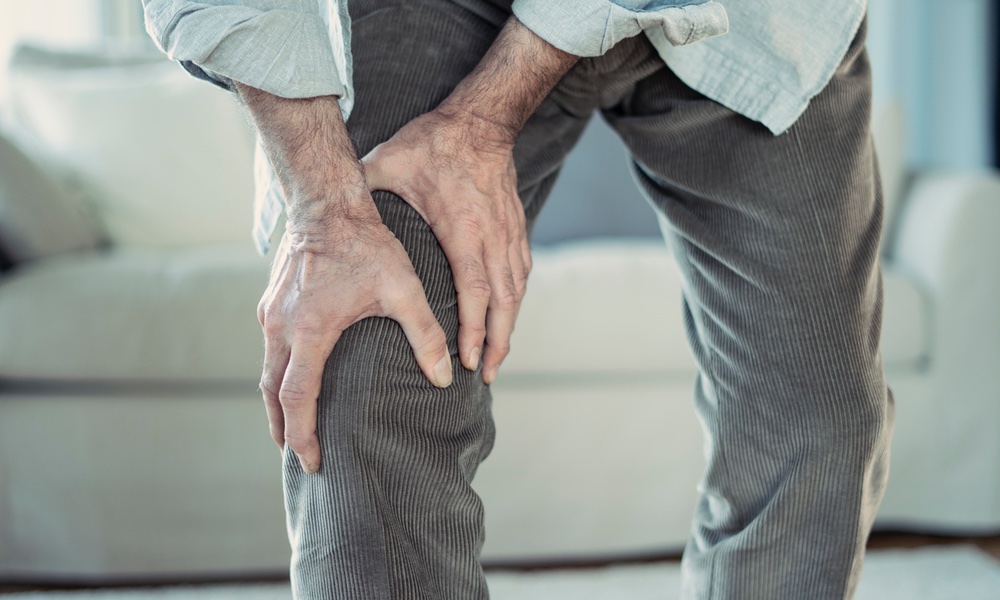
MN: The growth hormone research has been very exciting. As you mentioned, the research showed that older individuals on HGH did gain lean tissue. The problem is that while it does increase lean tissue mass, it does not make skeletal muscle any stronger. This was a major disappointment. Skeletal muscles are the muscles we use to move our limbs and joints. The studies show that HGH can give you bigger but not necessarily better muscles. In other words, it is not going to help you get up out of a chair, climb stairs, or walk.
Another problem with HGH is that it has significant side effects. People taking growth hormone can experience insulin resistance. There can also be problems with the cardiovascular system and with nerve entrapment syndromes, such as carpal tunnel syndrome. So, in many ways, it is not a particularly desirable means of treating frailty in older individuals. By the way, it's also very expensive.
MN: Everybody should have a healthy diet whether or not they are exercising. We all need to eat more fruits and vegetables and less animal fat, and limit our total fat intake to 30% of total calories. There is nothing different about the ideal diet for a person in an exercise program. One thing that does change, however, is that when people do exercise, research shows that they will eat more to make up for the extra energy they are burning up. This means that with exercise you can add good things like protein, vitamins and minerals to your diet without gaining weight.
In the mid-1980s, we did a study of women in their early 60s who were very inactive. We compared them to active women of the same age. The active group ate, on average, 300 to 400 calories a day more than the inactive group, yet had 6 kg less body fat. We have also done studies where we have taken inactive people and put one group into an exercise program alone and another into an exercise program combined with a high-protein or other special diet. All of these studies found that exercise greatly increases aerobic capacity, muscle strength and muscle function. None of them, however, found that dietary changes alone made much difference. It seems that if somebody already has a good diet, then changing it a little bit is not going to help much.
MN: There is no evidence at all that eating more protein than what most people get in a normal diet gives you bigger or better muscles than does exercise alone. Most Americans usually get more protein than they need. However, some older men and women do not get the Recommended Dietary Allowance of protein. They should make sure that they are getting adequate protein in their diet when they are starting an exercise program, preferably from food rather than from pills or supplements. Milk shakes and other dairy-based foods are the best sources. For most men and women, given a healthy diet, protein or vitamin supplements do not make any difference in health or fitness.
There is one thing you do need to get more of when you exercise: fluids. Many people become dehydrated without realizing it, especially older individuals or people who exercise in the heat; in these situations, the amount of water the body needs goes up dramatically. If you are exercising you need at least eight glasses of fluid per day. This should not include alcoholic or caffeinated drinks, both of which actually cause your body to lose fluids.
It is important to get enough calories in your diet, but for most people, the body's ability to regulate appetite will adjust their calorie intake to their energy expenditure. When you start an exercise program, your appetite will generally increase to meet your extra needs and you will maintain a normal weight. If you need to lose some weight, however, your appetite usually will not come all the way back up to compensate for the extra energy that is expended. This is why exercise and dieting are better than dieting alone when you need to lose weight.
MN: There are times when exercise is a bad idea. One example would be if you have an unstable medical condition, such as unstable angina, poorly controlled diabetes, or uncontrolled blood pressure. Another is if you have had recent major surgery or some other health crisis. In these cases, wait until a doctor tells you it's okay. Once your condition is stable, then you can start to exercise. Of course, you need to start out at an easy and doable level and then slowly progress to greater physical activity.
MN: There is much more to exercise than just aerobics, the exercise that most people tend to think of first. Aerobics does provide a solid foundation for physical fitness. Aerobic exercise is defined as an activity in which a person is using a large number of muscle groups for a duration of at least 20 minutes. The goal is to be working hard enough that the heart is beating faster than at rest. An ideal intensity level would be somewhere between 60 and 75 percent of your maximum heart rate. You need to do aerobic activity at around that intensity level at least three times a week for 20 minutes at a time, in order to get results.
Strength training is an important type of exercise and different from aerobics but it has not been studied until very recently. We believe that strength training is useful for older people because it helps preserve bone and muscle mass. We lose about one-third of a pound of muscle every year after age 40. Aerobic activity does not seem to change that equation, but strength training can slow or even reverse muscle loss.
Strength training is defined as an activity in which we lift a heavy object eight to 10 times with muscles contracting. For example, if I have a weight in my hand, with my arm at my side, and I contract my biceps muscle to bring my forearm up towards my shoulder, I am causing my biceps muscle to be trained.
The rule of thumb is that if I can lift the weight only eight to 10 times before I become overly fatigued, then that is a good strengthening exercise. However, if I can lift the weight, say, 15 or 20 times, then a heavier weight should be used. You need to do strengthening exercises two to three times a week to get a significant benefit.
Flexibility exercises should also be part of any good aerobic or any good strength training program. During a warm up or a cool down, you should stretch your muscles. With the elderly in particular, balance training exercises, such as walking on a low balance beam, can actually improve coordination and reduce the likelihood of falls.
Another important point is finding the right exercise for you. Aerobic activity is the most important exercise for young and middle-aged adults because it helps with weight control and cardiovascular health. Somewhere in our late 40s or 50s strengthening exercises become equally important. By the 70s, 80s and 90s, however, strengthening exercises become even more important than aerobic activity because of their ability to reduce frailty, reduce the risks of having falls, and generally help people maintain their independence.
MN: Much of my research has focused on osteoporosis, or loss of bone density, which causes the bones to become brittle. Most women experience osteoporosis as they age. A couple of years ago, we did a study of women, not on estrogen replacement therapy, between the ages of 50 and 70.5 Half of the women did strength training in our laboratory for two days a week for one year and half went about their normal activities. All of the women had been quite inactive. After one year, the women on strength training were 75 percent stronger. They gained an average of three pounds of skeletal muscle and lost three pounds of body fat. Their balance improved by 14 percent and their bone density increased by about one percent in the spine and the hip. The women in the control group, however, experienced the normal age-related declines in bone density of about two to 2.5 percent in the spine and the hip.
One of the most exciting findings of this study was that the women who did strength training actually became more physically active in their everyday lives and even took up new activities. They were gardening more and walking more; they went canoeing and ballroom dancing on the weekend. This was really encouraging.
The finding that strength training reversed age-related losses in bone density is important because fractures are a big problem for older people. Strength training also gave these women much better balance and increased muscle mass, both of which reduced their risk of having a fall, as well as making them less likely to suffer a fracture if they did fall.
In the past, most patients with rheumatoid arthritis (RA) were told to rest and take it easy; if they wanted to exercise, they were told to limit their range of motion and avoid bearing weight, for example, by swimming or exercising in a pool. It is true that people with RA often have difficulty walking and bearing their full weight. We have found in our lab, however, that strengthening exercises even help RA sufferers. In fact, strengthening exercises are particularly good for these individuals because chronic inflammation causes them to lose muscle mass and other lean tissue. And medications that treat RA, such as corticosteroids, can cause further bone and muscle loss.
In a study done by the chief of our laboratory, Ronenn Roubenoff, M.D., people with RA undertook programs of strength training with impressive results. They felt less pain, gained flexibilty, and became stronger. The bottom line is that strength training has a wide range of benefits. As with the women I talked about earlier, the RA patients became more physically active in their daily lives.