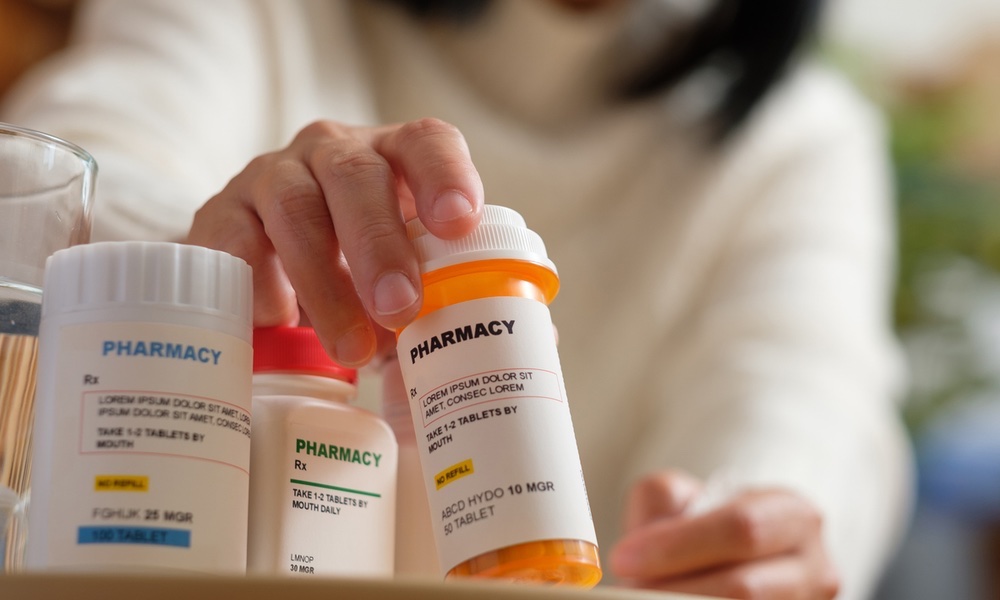



There is an understandable tendency to take these familiar drugs with famous brand names less seriously than the mysterious, unpronounceable ones that we pay top dollar for at the pharmacy. After all, we think, how serious can they be if you can buy them at the newsstand or corner store?For people who abuse NSAIDs or who have a medical condition that could exacerbate these effects, hiding NSAID use from their doctor is the last thing they should be doing.
The problem with this kind of reasoning is that it can make you sick.
Aspirin and ibuprofen belong to a class of drugs called non−steroidal anti−inflammatory drugs, or NSAIDs, that can cause dangerous gastrointestinal side effects, including bleeding and ulcers, without warning. For people who abuse NSAIDs or who have a medical condition that could exacerbate these effects, hiding NSAID use from their doctor is the last thing they should be doing.
"This is a serious issue, given what we know about the significant risk of injury and bleeding in the GI tract in patients using NSAIDs," said David Johnson, M.D., FACG, President of the America College of Gastroenterology and a contributor to the study.
With millions of Americans taking NSAIDs for pain relief every day, an estimated 100,000 or more are hospitalized each year and between 15,000 and 20,000 Americans die from ulcers and gastrointestinal bleeding linked to NSAID use. People with arthritis and other conditions that cause chronic pain need to be particularly careful. More than 14 million arthritis sufferers take NSAIDs regularly. As many as 60 percent of these will develop gastrointestinal side effects.
In the study, which was presented at the October, 2007 meeting of the American College of Gastroenterology, Dr. Johnson and his colleagues at Eastern Virginia Medical School surveyed patients after a nurse had questioned them about their drug use. Almost one in five respondents admitted that they were using an NSAID that they had not reported to the nurse. When asked why they had not reported the over−the−counter pain killers they took, 22 percent said they did not think the medications were important enough to list, while 30 percent cited the fact that the drugs were not prescribed by a physician. "This reflects a common misperception that these medications are insignificant or benign when actually their chronic use, particularly among the elderly and those with conditions such as arthritis, is linked to serious and potentially fatal GI injury and bleeding," noted Dr. Johnson.
Experts from the American College of Gastroenterology offer this advice: if you take over−the−counter pain medications on a regular basis, make sure that you do not overuse them and have a talk with your physician about ulcers and other GI side effects.